The spiritual worldview of the Muisca Confederation was deeply rooted in the natural environment and the cosmos. Sacred landscapes—especially lakes, mountains, and ceremonial sites—were not merely physical locations but living expressions of divine presence. These places served as centers for rituals, offerings, and communication with spiritual forces that governed life and nature.
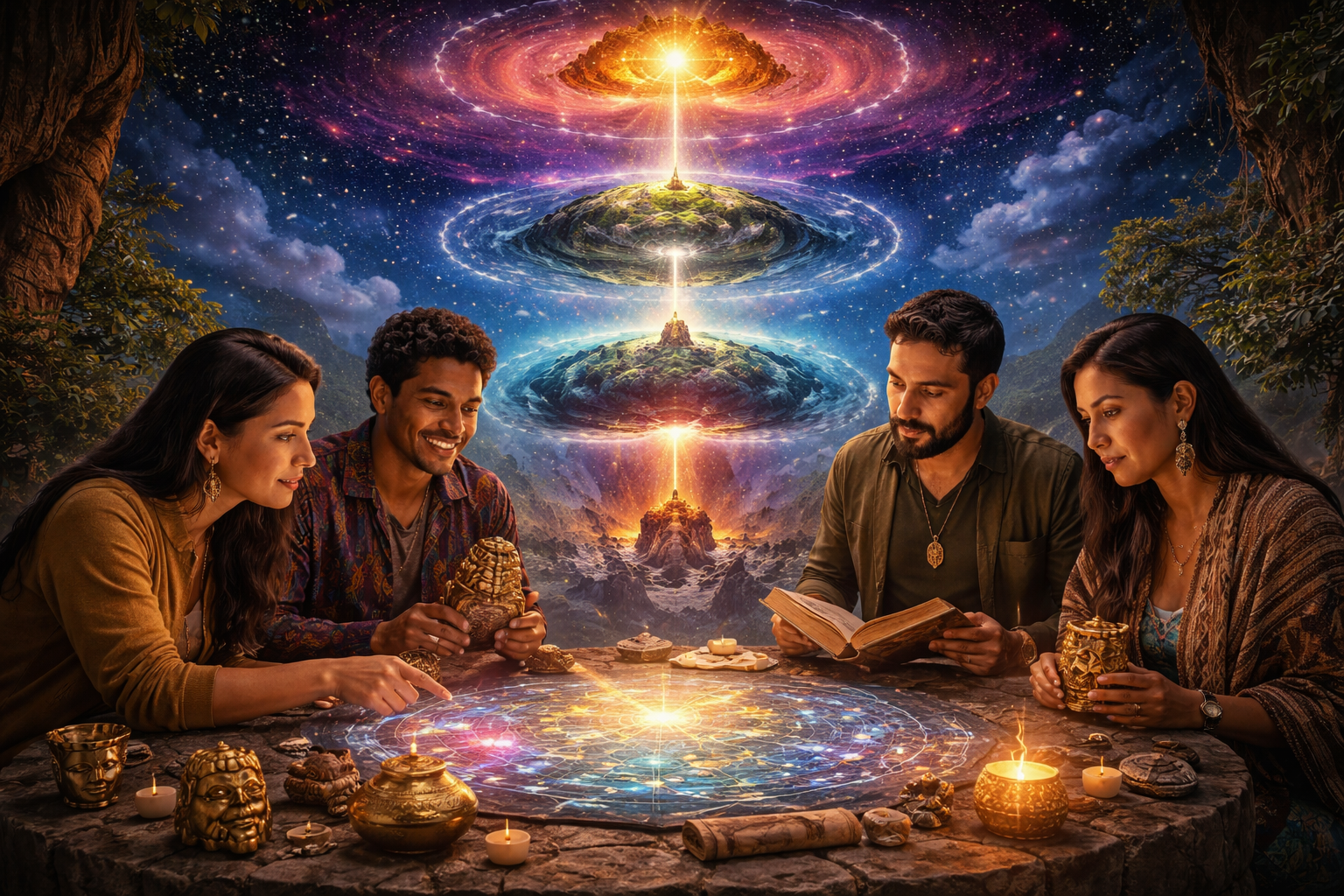
Muisca cosmology connected earthly geography with celestial order, creating a unified belief system where natural features mirrored cosmic principles. Through reverence for sacred lakes, temple structures, and celestial bodies, the Muisca developed a sophisticated spiritual tradition that shaped governance, culture, and daily life.
Table of Contents
Sacred Overview
Overview Table: Muisca Sacred Beliefs
| Element | Description |
|---|---|
| Sacred Sites | Lakes, mountains, and ceremonial temples |
| Cosmic Belief | Integration of earth and celestial forces |
| Key Deities | Sun and moon as central divine figures |
| Ritual Practices | Offerings of gold, food, and symbolic items |
| Spiritual Role | Priests and leaders conducting ceremonies |
| Cultural Impact | Influence on governance, trade, and identity |
Sacred landscapes formed the foundation of Muisca religious life. Natural features were believed to be inhabited by spiritual beings, making them central to rituals and ceremonies. These sites were carefully maintained and respected as essential elements of cultural identity.
Cosmology guided how the Muisca understood their place in the universe. By aligning their practices with celestial patterns, they created a harmonious relationship between the natural world and spiritual forces.
Sacred Lakes
- Lakes were considered gateways to the spiritual world and places of origin myths.
- Lake Guatavita was one of the most significant ritual sites.
- Offerings of gold and precious items were made to honor deities.
- Ceremonies often involved rulers and priests performing sacred rites.
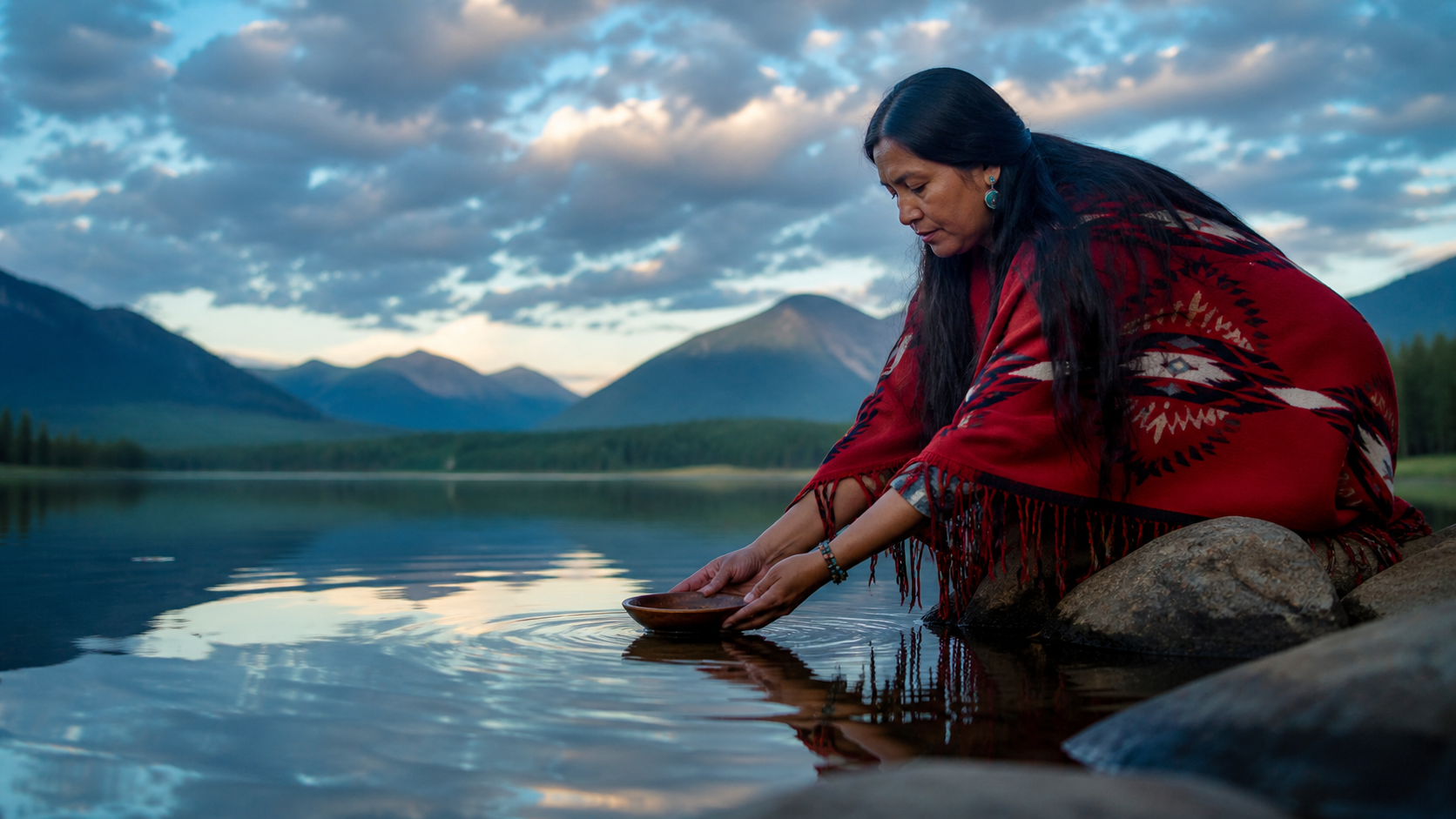
Sacred lakes held immense importance in Muisca spirituality. They were believed to be inhabited by powerful deities and spirits, making them central locations for communication with the divine. Rituals conducted at these lakes were elaborate and symbolically rich.
One of the most प्रसिद्ध traditions associated with lakes is the ritual linked to the legend of El Dorado, where offerings were made in water as acts of devotion. These practices reinforced the connection between wealth, spirituality, and natural elements.
Temple Structures
- Temples were constructed using natural materials like wood and clay.
- Sacred enclosures were used for ceremonies and धार्मिक gatherings.
- Locations were carefully chosen based on spiritual significance.
- Temples often aligned with celestial patterns.
Muisca temples were not monumental stone structures but carefully designed spaces that reflected harmony with nature. These sites served as centers for rituals, community gatherings, and spiritual guidance.
The simplicity of temple construction did not diminish their importance. Instead, it emphasized the Muisca belief that spirituality was embedded in the environment rather than confined to grand architecture.
Celestial Worship
- The sun deity Sué was central to religious practices.
- The moon deity Chía represented balance and cycles.
- Astronomical observations guided agricultural and ritual calendars.
- Celestial events were interpreted as messages from the divine.
Celestial worship was a core aspect of Muisca cosmology. The sun and moon were seen as powerful forces that governed time, seasons, and life itself. Rituals were often timed according to celestial movements.
This connection between astronomy and spirituality allowed the Muisca to develop a structured understanding of time and nature. It also reinforced the idea that human life was closely linked to cosmic rhythms.
Priestly Role
- Priests acted as intermediaries between people and deities.
- Conducted rituals, sacrifices, and ceremonial offerings.
- Maintained sacred knowledge and traditions.
- Guided leaders in spiritual and political decisions.
The priesthood played a crucial role in sustaining Muisca religious practices. Their knowledge of rituals and cosmology ensured that traditions were preserved and correctly performed.
Priests also influenced governance by advising leaders on spiritual matters. This integration of religion and politics strengthened the authority of rulers and maintained social harmony.
Symbolic Offerings
- Gold objects symbolized divine energy and spiritual wealth.
- Food and textiles were offered to maintain balance with nature.
- Ritual deposits in lakes and caves were common practices.
- Offerings reflected gratitude and reverence for deities.
Offerings were a central component of Muisca rituals. Gold, in particular, held symbolic significance rather than economic value. It represented the sun’s energy and was used to honor deities.
These practices demonstrated the Muisca belief in reciprocity with the natural world. By offering valuable items, they sought to maintain balance and ensure prosperity.
Landscape Meaning
- Mountains were seen as sacred guardians of the الأرض.
- Caves represented connections to the underworld.
- Rivers symbolized life and continuity.
- Natural features were integrated into spiritual narratives.
The Muisca viewed their environment as a living spiritual system. Every element of the landscape carried meaning and was connected to their cosmology. This perspective shaped how they interacted with nature.
By embedding spirituality in the landscape, the Muisca created a holistic worldview. This approach ensured that environmental respect was deeply ingrained in their culture.
Cultural Impact
- Religious beliefs influenced political authority and leadership.
- Trade and economy were linked to ritual practices.
- Social structure was reinforced through shared spirituality.
- Cultural identity was shaped by sacred traditions.
The integration of sacred landscapes and cosmology had a profound impact on Muisca society. Religion was not separate from daily life but a guiding force in all aspects of existence.
This holistic approach allowed the Muisca to maintain a strong sense of identity and cohesion. Their beliefs provided a framework for understanding the world and their place within it.
Final Analysis
The sacred landscapes and cosmology of the Muisca Confederation reveal a deeply interconnected worldview where nature, spirituality, and society were inseparable. Through reverence for sites like Lake Guatavita and devotion to deities such as Sué and Chía, the Muisca created a rich and meaningful spiritual tradition.
This integration of landscape and cosmology not only shaped their religious practices but also influenced governance, economy, and cultural identity. Their approach offers valuable insights into how human societies can develop sustainable and respectful relationships with the natural and cosmic worlds.