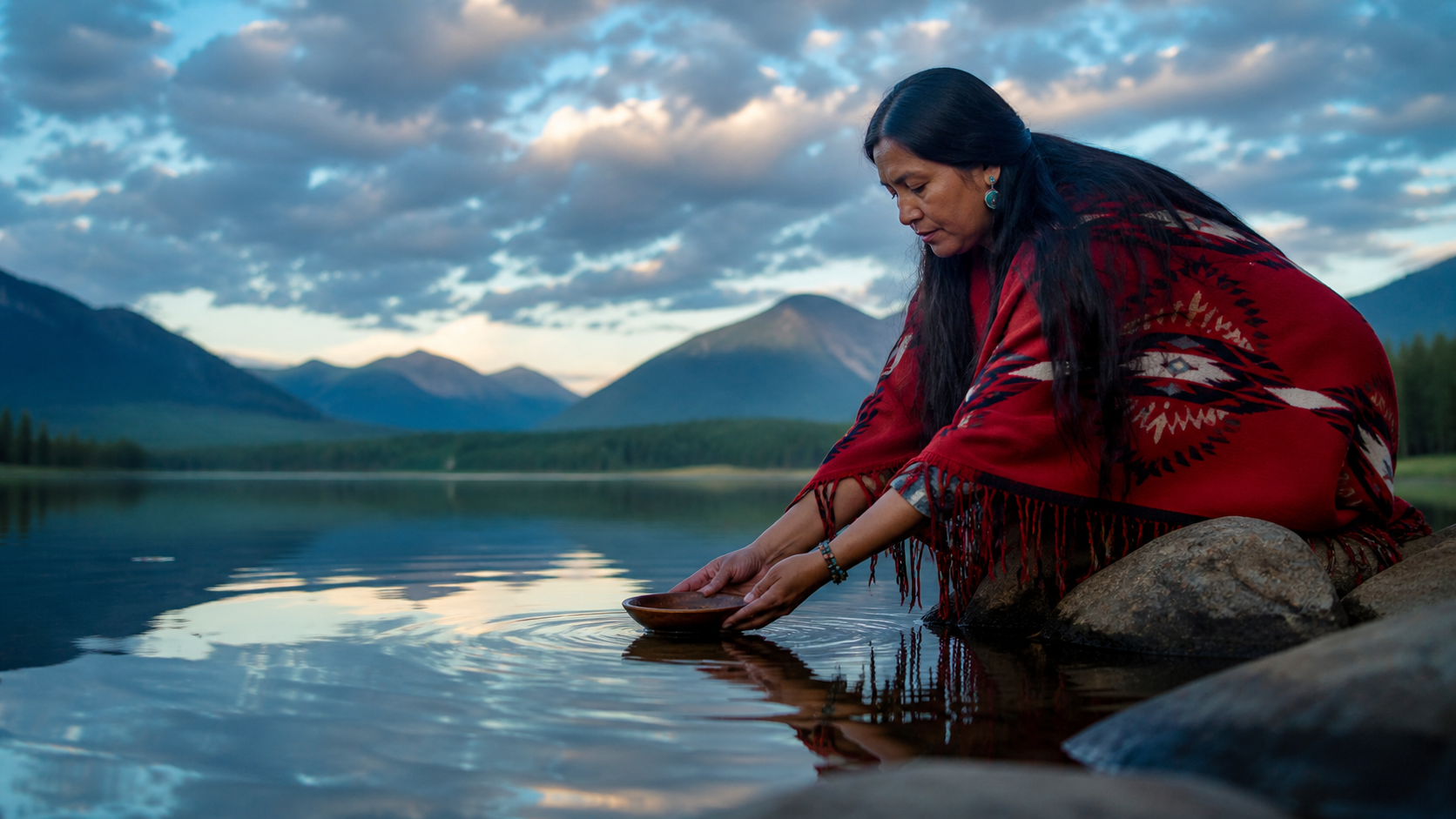
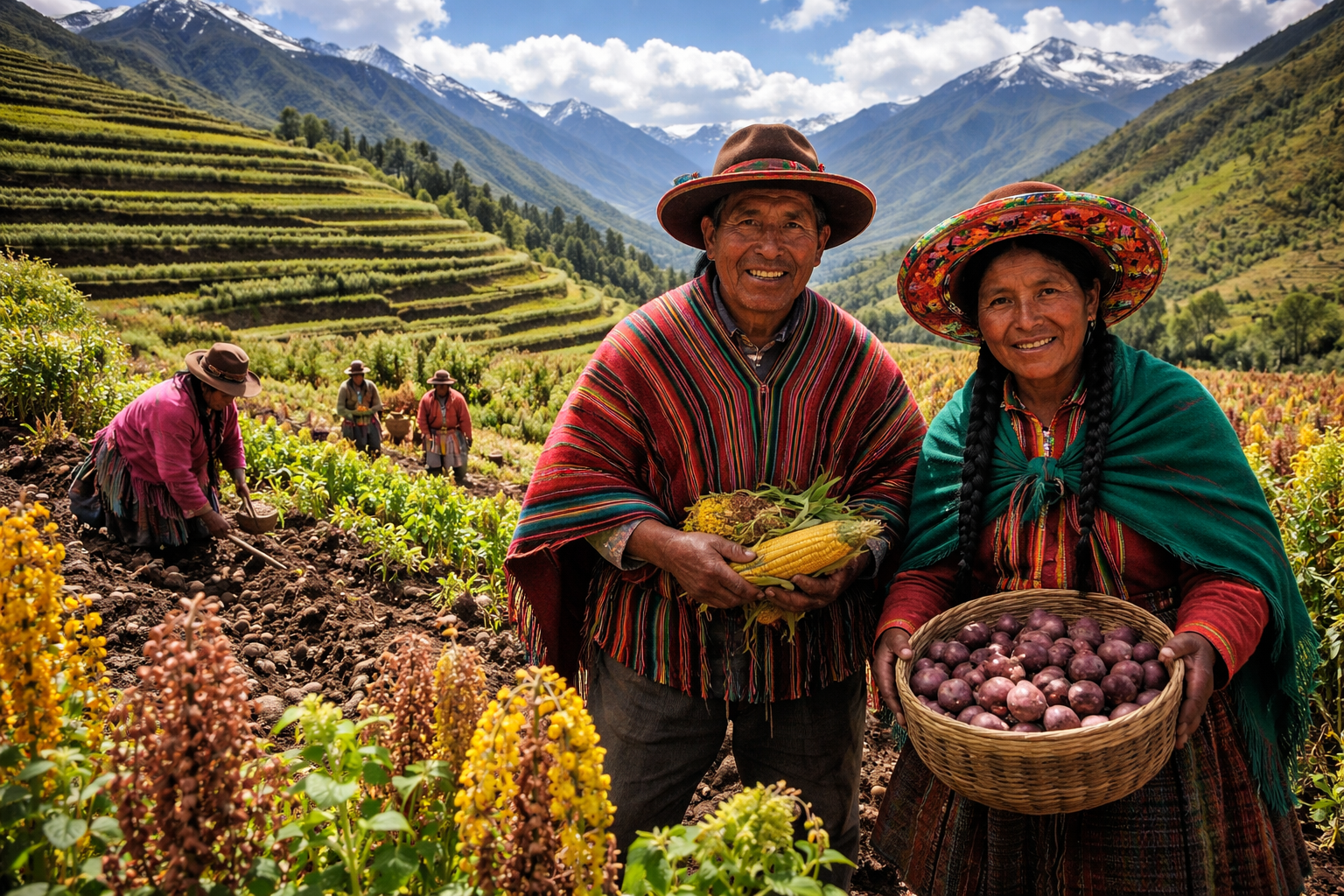
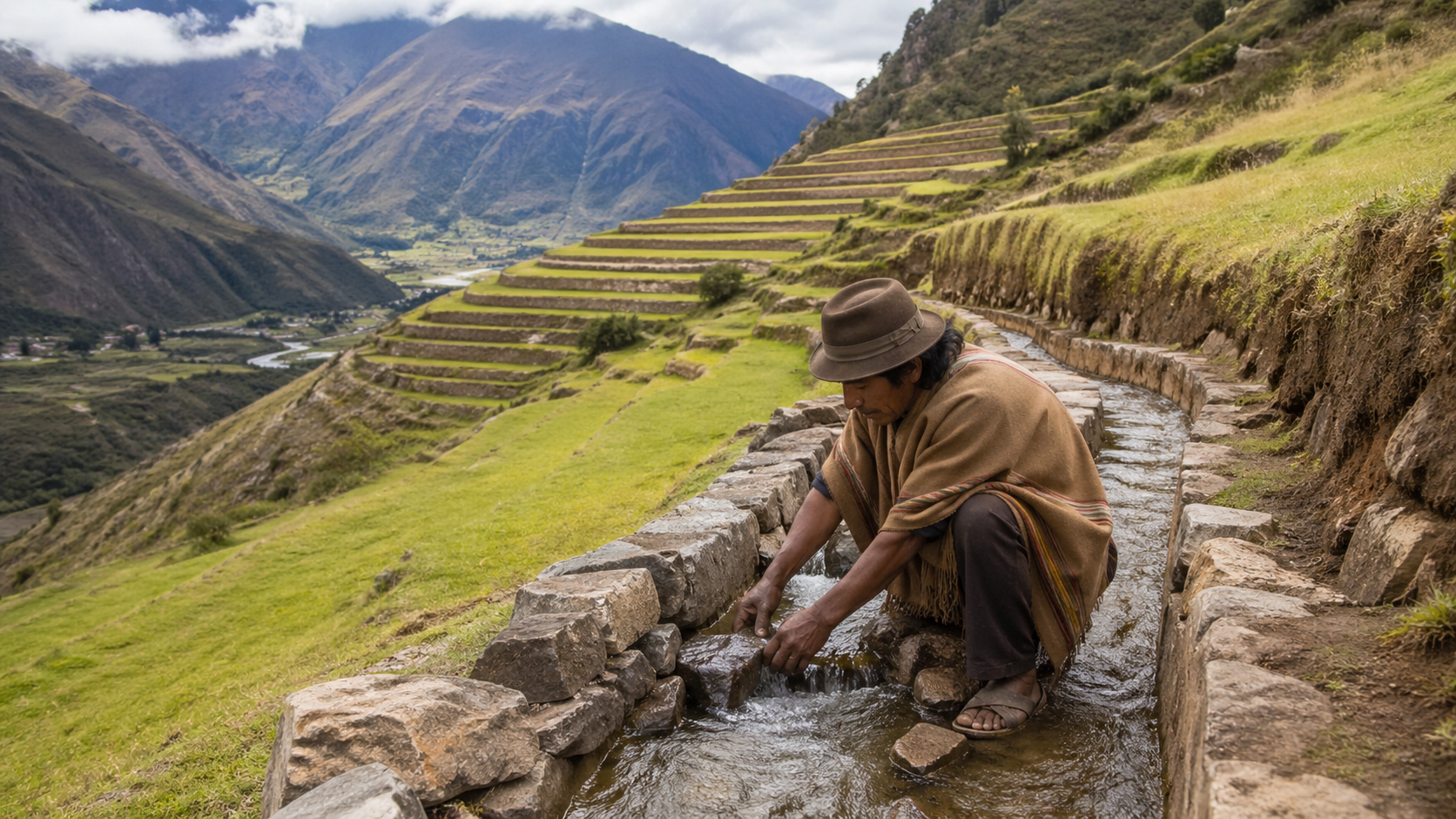
Sacred natural sites represent landscapes where ecological richness and spiritual meaning intersect, forming a powerful foundation for Indigenous stewardship. These sites include forests, rivers, mountains, and other natural features that are protected not only for their environmental value but also for their cultural and spiritual significance. Indigenous communities have long recognized the intrinsic connection between biodiversity and sacredness, viewing nature as a living system deserving respect and care.
Conservation practices rooted in Indigenous knowledge systems differ significantly from modern approaches. Rather than focusing solely on regulation and resource management, Indigenous stewardship emphasizes reciprocity, balance, and long-term sustainability. This perspective ensures that ecosystems are preserved while maintaining cultural traditions and community well-being.
Table of Contents
Conservation Snapshot
Key Stewardship Elements
| Element | Description | Ecological Benefit |
|---|---|---|
| Sacred Sites | Protected natural landscapes | Biodiversity preservation |
| Traditional Knowledge | Passed-down ecological wisdom | Sustainable resource use |
| Cultural Practices | Rituals and customs | Habitat protection |
| Community Roles | Collective responsibility | Long-term conservation |
These elements work together to create a holistic conservation framework. Sacred sites act as natural refuges where biodiversity can thrive without disturbance. Traditional knowledge guides sustainable practices, ensuring that resources are used responsibly and replenished over time.
The integration of cultural and ecological values strengthens conservation outcomes. By embedding environmental stewardship within cultural identity, Indigenous communities create systems that are resilient and adaptive. This approach highlights the importance of preserving both biodiversity and cultural heritage.
Sacred Landscapes
- Forests and rivers serve as spiritual sanctuaries
- Restricted access protects sensitive ecosystems
- Cultural taboos prevent overexploitation
- Rituals reinforce respect for nature
Sacred landscapes are often protected through cultural norms that limit human activity. These restrictions are not arbitrary but are based on generations of observation and understanding of ecological balance. By designating certain areas as sacred, communities create natural conservation zones that support diverse species.
The spiritual significance of these landscapes fosters a deep sense of responsibility among community members. This connection encourages sustainable behavior and ensures that conservation practices are upheld across generations. Sacred landscapes thus function as both ecological and cultural strongholds.
Knowledge Systems
- Oral traditions transmit ecological insights
- Seasonal knowledge guides resource use
- Species behavior is closely observed
- Adaptive practices respond to environmental changes
Indigenous knowledge systems are built on centuries of interaction with the environment. This knowledge is often transmitted through oral traditions, storytelling, and practical experience. It encompasses a detailed understanding of local ecosystems, including plant and animal behavior, climate patterns, and resource cycles.
Such knowledge is dynamic and adaptable, allowing communities to respond to environmental changes effectively. By integrating observation with cultural practices, Indigenous stewardship creates a flexible and resilient approach to conservation. This system ensures that biodiversity is maintained while meeting community needs.
Community Roles
Community involvement is central to Indigenous conservation practices. Stewardship responsibilities are shared among members, with roles often defined by age, gender, or expertise. This collective approach ensures that conservation efforts are sustained and supported by the entire community.
Participation in conservation activities also reinforces social cohesion and cultural identity. By working together to protect sacred sites, communities strengthen their connection to the land and to each other. This collective responsibility is a key factor in the success of Indigenous stewardship.
Biodiversity Impact
- Protected areas support diverse species
- Sustainable practices prevent resource depletion
- Ecosystem balance is maintained
- Rare and endangered species find refuge
The impact of Indigenous stewardship on biodiversity is significant. Sacred natural sites often serve as hotspots of ecological diversity, providing safe habitats for a wide range of species. These areas are less disturbed by human activity, allowing ecosystems to function naturally.
Sustainable practices further enhance biodiversity by ensuring that resources are used responsibly. By maintaining ecological balance, Indigenous communities contribute to the long-term health and resilience of their environments. This approach demonstrates the effectiveness of culturally integrated conservation strategies.
Policy Integration
- Recognition of Indigenous rights supports conservation
- Collaborative management improves outcomes
- Legal frameworks protect sacred sites
- Inclusion of traditional knowledge enhances policies
Integrating Indigenous stewardship into modern conservation policies can lead to more effective and inclusive outcomes. Recognizing the rights of Indigenous communities to manage their lands is essential for preserving both biodiversity and cultural heritage. Collaborative approaches that combine traditional knowledge with scientific methods offer a comprehensive solution.
Policy integration also helps address challenges such as land disputes and environmental degradation. By valuing Indigenous perspectives, governments and organizations can develop strategies that are both sustainable and culturally respectful.
Modern Challenges
- Development pressures threaten sacred sites
- Climate change impacts ecosystems
- Loss of traditional knowledge reduces effectiveness
- Limited recognition hinders conservation efforts
Despite their effectiveness, Indigenous conservation practices face numerous challenges. Rapid development and environmental changes can disrupt ecosystems and undermine traditional practices. The loss of cultural knowledge further complicates conservation efforts.
Addressing these challenges requires a commitment to protecting Indigenous rights and supporting knowledge preservation. By fostering collaboration and awareness, it is possible to strengthen Indigenous stewardship and ensure the continued protection of sacred natural sites.
Closing Perspectives
Sacred natural sites and Indigenous stewardship offer a powerful model for biodiversity conservation that integrates cultural, spiritual, and ecological values. These practices demonstrate that sustainable conservation is not just about protecting resources but about maintaining relationships with the natural world. By respecting and supporting Indigenous knowledge systems, societies can achieve more holistic and effective conservation outcomes.
The future of biodiversity conservation depends on embracing diverse perspectives and approaches. Indigenous stewardship provides valuable insights into sustainable living and environmental care, making it an essential component of global conservation efforts.