The political structure of the Muisca Confederation was a sophisticated network of regional authorities rather than a centralized empire. Leadership was distributed across powerful rulers such as the Zipa and Zaque, along with numerous local chiefs known as Caciques. This decentralized structure enabled efficient governance across diverse territories while preserving cultural unity.
Political authority within the Muisca system was deeply connected to religion, kinship, and economic control. Leaders functioned not only as administrators but also as spiritual figures responsible for maintaining harmony within society. This combination of roles allowed the Muisca to sustain a stable and resilient political framework.
Table of Contents
System Overview
Overview Table: Muisca Political Structure
| Role | Description |
|---|---|
| Zipa | Supreme ruler of southern territories (Bacatá region) |
| Zaque | Leader of northern territories (Hunza region) |
| Caciques | Local chiefs managing individual communities |
| Authority Basis | Religion, lineage, and economic resources |
| Governance Type | Confederation with semi-autonomous regions |
| Core Function | Supreme ruler of the southern territories (Bacatá region) |
The Muisca Confederation operated as a flexible political system where authority was shared among multiple leaders. The Zipa and Zaque exercised regional dominance, but governance relied heavily on cooperation with local caciques who managed everyday affairs.
This distributed structure reduced the risks associated with centralized rule. It allowed different regions to adapt to local conditions while maintaining a unified cultural and political identity across the confederation.
Zipa Authority
- Controlled the southern region centered around Bacatá
- Managed trade networks and tribute collection
- Led military efforts and organized defense strategies
- Performed religious rituals to maintain social harmony
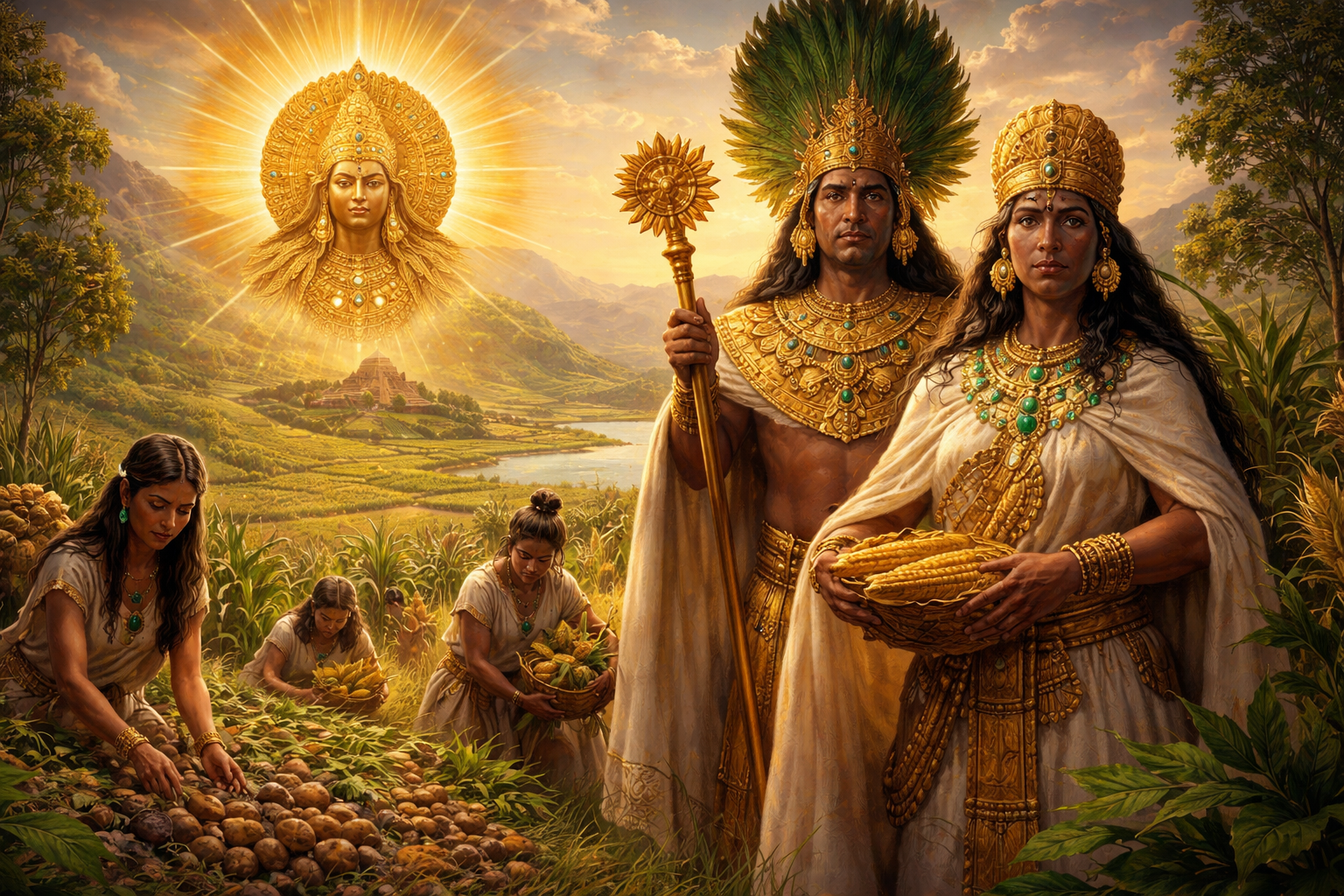
The Zipa was one of the most influential figures in the Muisca political system. His authority extended beyond governance into economic and spiritual domains, reinforcing his leadership role. Control over valuable resources such as salt and gold strengthened his position.
Despite holding significant power, the Zipa worked collaboratively with other leaders. Decisions often involved consultation with advisors and local chiefs, ensuring that governance remained balanced and inclusive.
Zaque Leadership
- Governed the northern territories with Hunza as the center
- Maintained independence from the Zipa
- Oversaw regional trade and resource distribution
- Played a key role in alliances and conflicts
The Zaque held authority comparable to the Zipa but operated independently in the northern region. This dual leadership system created a balance of power within the confederation. While rivalry occasionally existed, both rulers shared cultural ties.
This arrangement helped manage large territories effectively. By dividing authority, the Muisca ensured better administrative control and reduced the likelihood of centralized power conflicts.
Cacique Governance
- Managed local communities and settlements
- Collected tribute and distributed resources
- Acted as intermediaries between people and higher authorities
- Maintained law, order, and dispute resolution
Caciques formed the foundation of the Muisca political system. Their local governance ensured that policies were implemented effectively at the community level. They played a crucial role in maintaining social stability and communication.
Although they were subordinate to the Zipa or Zaque, caciques retained significant autonomy. This balance allowed them to address local needs while contributing to the broader political structure.
Power Dynamics
- Dual leadership balanced authority across regions
- Economic control influenced political influence
- Alliances and rivalries shaped governance
- Religious roles reinforced leadership legitimacy
Power within the Muisca Confederation was dynamic and interconnected. Leaders derived authority from both economic resources and spiritual responsibilities. This combination ensured strong and stable governance.
The relationship between different levels of leadership created a system of mutual dependence. Cooperation between rulers and local chiefs was essential for maintaining order and unity.
Economic Control
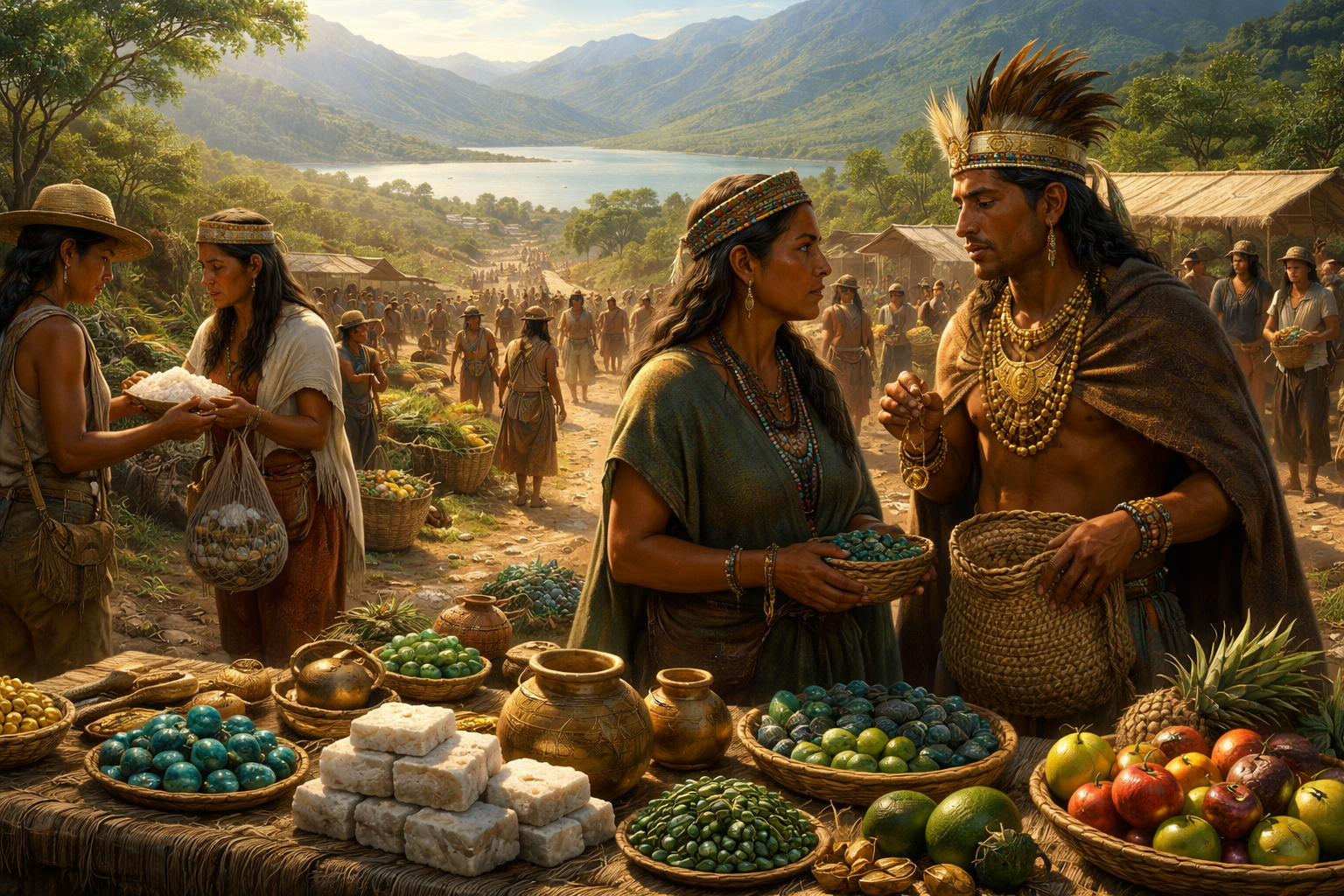
- Salt production served as a major economic resource
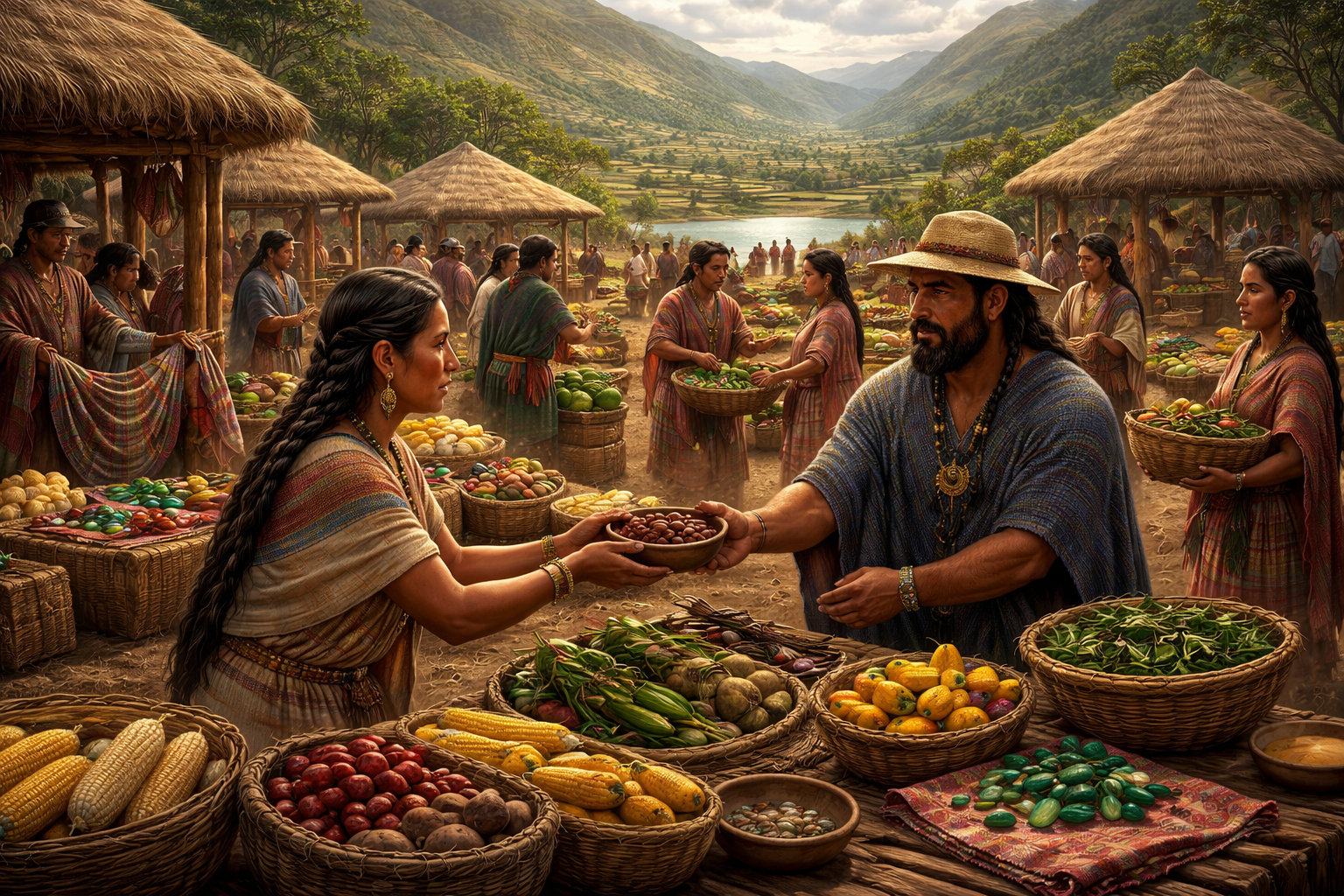
- Trade networks connected different regions
- Tribute systems supported leadership authority
- Gold was primarily used for ceremonial purposes
Economic resources played a central role in sustaining political power. Control over production and trade allowed leaders to maintain influence and support their ഭരണ systems. Resource distribution also strengthened social cohesion.
The integration of economic and political systems ensured efficient management of wealth. It allowed the Muisca to maintain stability and support community activities through shared resources.
Religious Influence
- Leaders conducted rituals to honor deities
- Sacred sites were central to governance
- Priests advised rulers on spiritual matters
- Traditions legitimized political authority
Religion was deeply embedded in the Muisca political system. Leaders were seen as intermediaries between the people and the divine, which strengthened their authority. Spiritual responsibilities were as important as administrative duties.
This connection between religion and governance created a unified system where political decisions were supported by cultural beliefs. It reinforced trust and stability within the المجتمع.
Conflict Management
- Local disputes were resolved by caciques
- Regional conflicts involved coordination between rulers
- Alliances were formed to maintain stability
- Military action was used when necessary
Conflict management was handled through a combination of local and regional strategies. The decentralized structure allowed for quick resolution of disputes without disrupting the entire system.
Cooperation between leaders ensured that conflicts did not escalate unnecessarily. This adaptability contributed to the long-term stability of the Muisca Confederation.
Final Thoughts
The leadership system of the Muisca Confederation demonstrates a well-organized and balanced approach to governance. The roles of the Zipa, Zaque, and Cacique highlight a system built on cooperation, autonomy, and shared authority.
This decentralized yet cohesive model allowed the Muisca to manage complex political, economic, and social systems effectively. Their governance structure offers valuable insights into alternative leadership models that emphasize balance, integration, and cultural alignment.