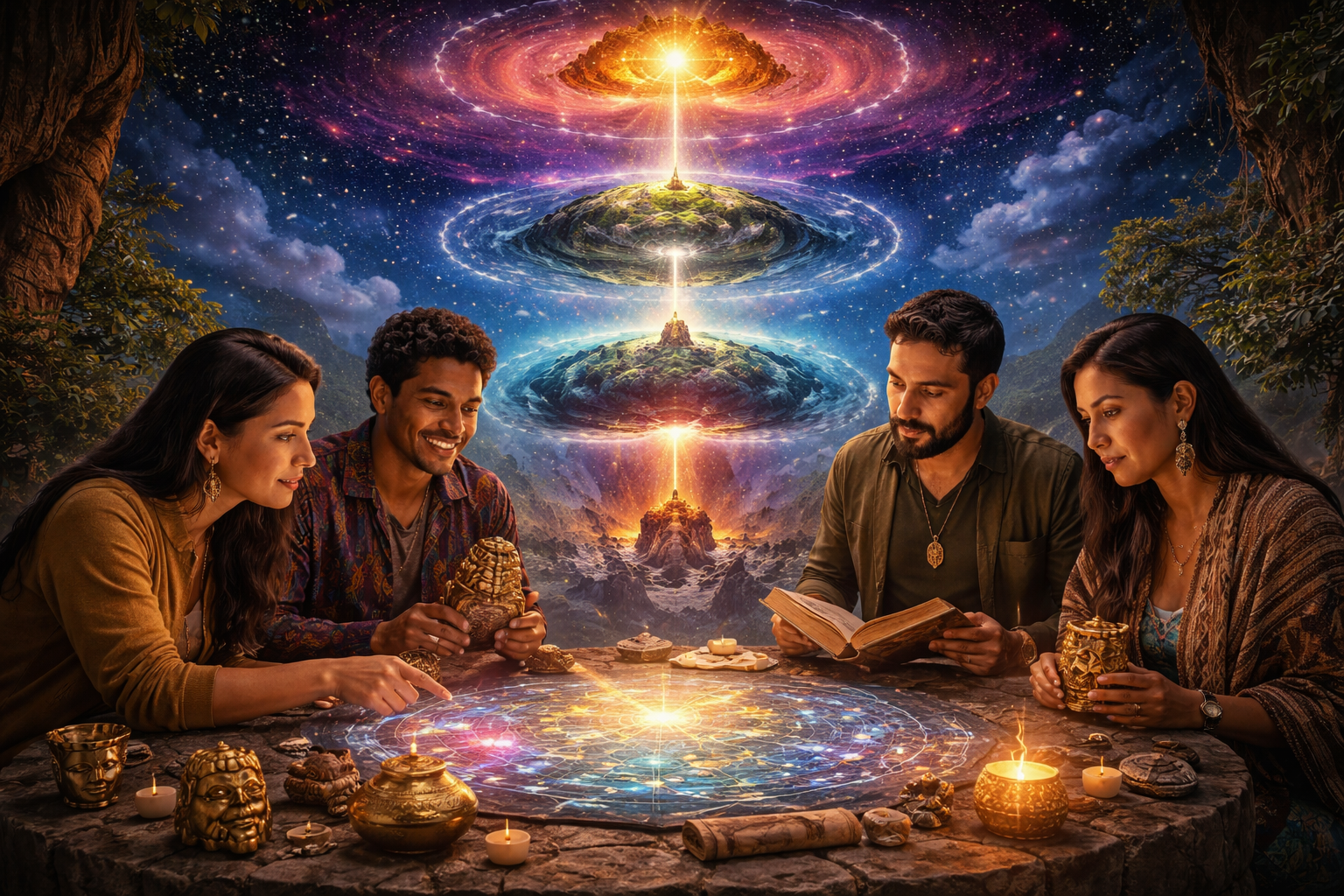
Indigenous cosmology represents a deeply interconnected worldview in which the sky, earth, and sacred spaces are not separate domains but parts of a unified living system. Across many cultures, the universe is understood as a relational network where spiritual, natural, and human elements coexist in balance. This perspective contrasts with modern compartmentalized views, emphasizing harmony and interdependence instead.
Landscape symbolism plays a central role in expressing these cosmological beliefs. Mountains, rivers, forests, and celestial bodies are not merely physical features but carriers of meaning and identity. Through stories, rituals, and spatial organization, Indigenous communities embed their cosmology into the land, creating a living map that reflects their understanding of existence.
Table of Contents
Symbolic Framework
Core Cosmological Elements
| Element | Meaning | Cultural Role |
|---|---|---|
| Sky | Realm of ancestors and spirits | Guidance and protection |
| Earth | Source of life and sustenance | Connection and identity |
| Sacred Space | Intersection of spiritual forces | Ritual and continuity |
| Cycles | Natural rhythms and time | Balance and renewal |
These elements form a symbolic framework that guides daily life and spiritual practice. The sky often represents transcendence and ancestral presence, while the earth embodies nourishment and belonging. Sacred spaces act as points of convergence where these dimensions interact, allowing communities to engage with the spiritual world.
Understanding this framework requires recognizing that symbolism is not abstract but lived. Indigenous cosmology is expressed through practices that integrate these elements into social, cultural, and environmental systems. This integration reinforces a holistic view of existence.
Sky Connections
- Celestial bodies guide navigation and seasonal activities
- Stars and constellations represent ancestral stories
- The sky is seen as a living, dynamic entity
- Lunar and solar cycles influence rituals
The sky holds profound significance in Indigenous cosmologies, often serving as a source of knowledge and spiritual connection. Observations of celestial patterns inform agricultural cycles, migration routes, and ceremonial timing. This knowledge is passed down through generations, preserving cultural continuity.
Stories associated with the sky provide a narrative framework for understanding existence. Constellations may represent ancestors, animals, or mythological events, linking the cosmos to human experience. This connection fosters a sense of belonging within a বৃহদ cosmic order.
Earth Relationships
- Land is viewed as a living relative rather than a resource
- Natural features carry historical and spiritual meaning
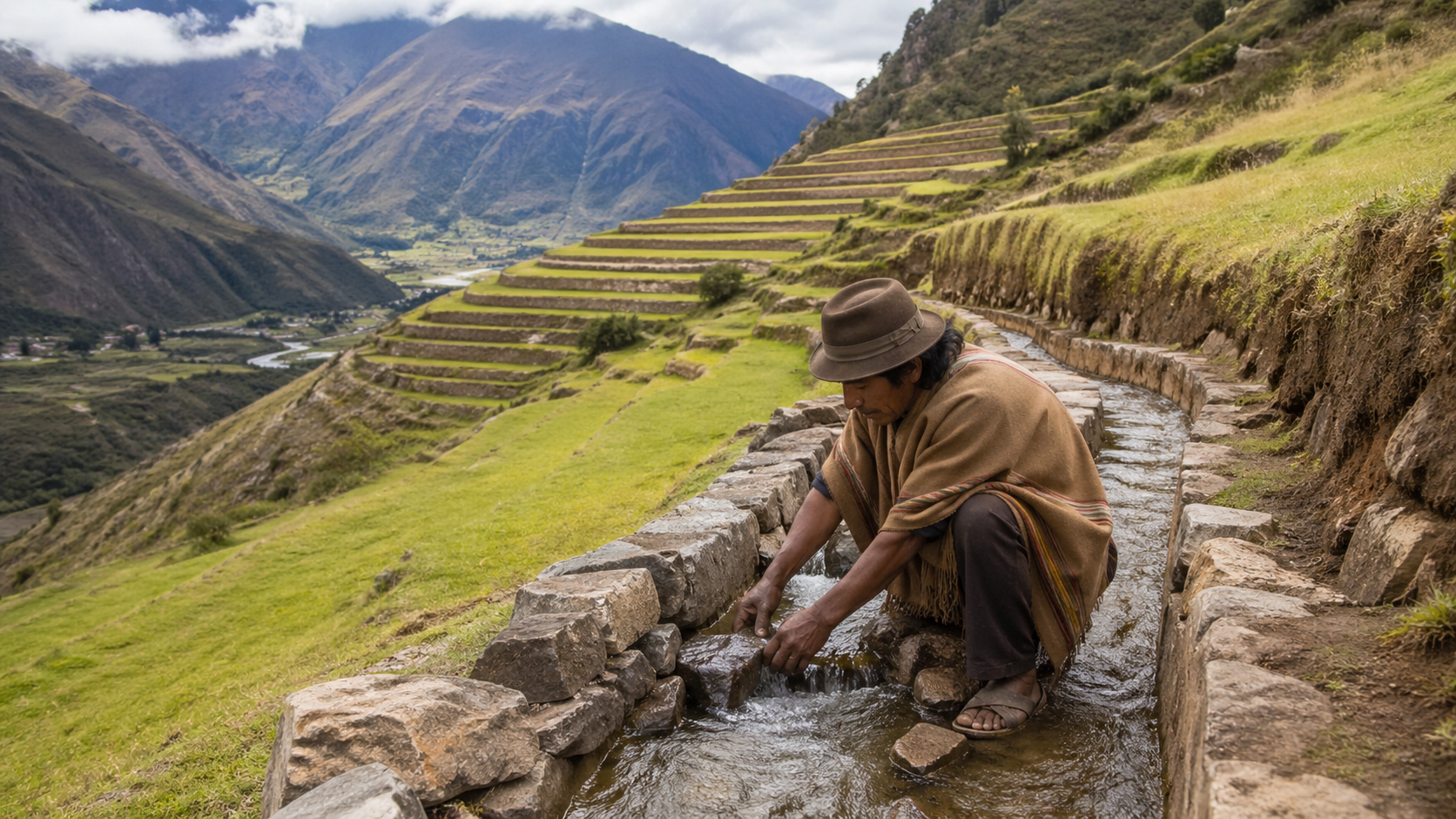
- Stewardship practices ensure ecological balance
- Oral traditions preserve landscape knowledge
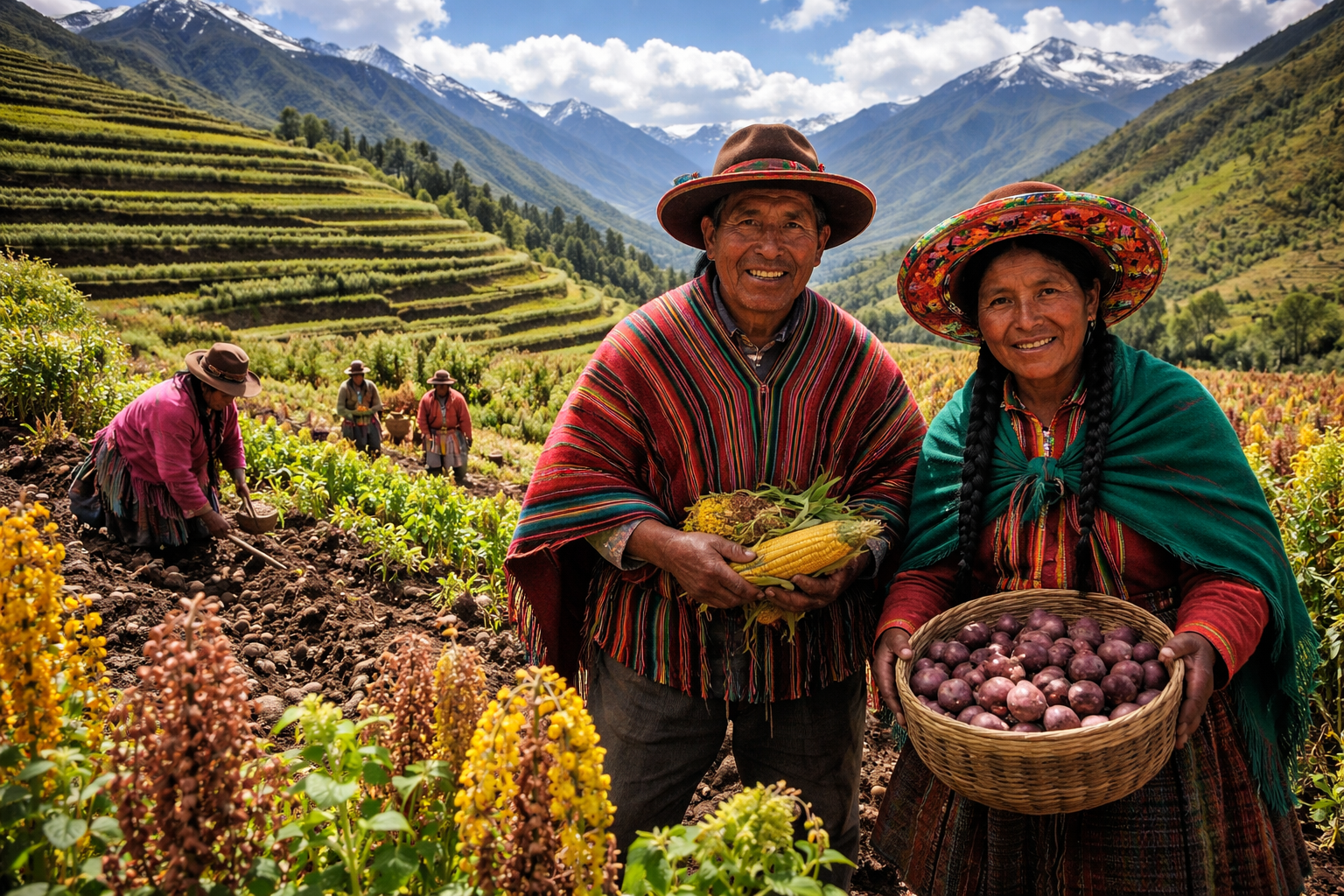
The earth is central to Indigenous identity, serving as both a physical and spiritual foundation. Land is not owned but respected as a relative that sustains life. This relationship shapes practices of stewardship, where maintaining ecological balance is a moral responsibility.
Landscape features often hold stories that connect communities to their ancestors and history. These narratives are embedded in specific locations, creating a sense of place that is both tangible and symbolic. The earth becomes a repository of memory and meaning.
Sacred Spaces
Sacred spaces are locations where the spiritual and physical worlds intersect. These sites may include mountains, rivers, or constructed areas designated for ceremonies. They are often marked by rituals that reinforce their significance and maintain their sanctity.
Such spaces serve as focal points for community gatherings and spiritual practices. They provide a setting for connecting with ancestors, seeking guidance, and reaffirming cultural values. The preservation of sacred spaces is essential for maintaining cultural continuity and identity.
Cyclical Patterns
- Seasonal changes reflect cosmic order
- Life cycles symbolize renewal and continuity
- Rituals align with natural rhythms
- Time is perceived as circular rather than linear
Cyclical patterns are a fundamental aspect of Indigenous cosmology, emphasizing the continuity of life and the interconnectedness of all things. Seasonal transitions, life cycles, and celestial movements are seen as expressions of a larger cosmic rhythm.
This cyclical understanding of time contrasts with linear perspectives, highlighting renewal and balance rather than progression alone. Rituals and practices are designed to align with these cycles, ensuring harmony between human activity and natural processes.
Cultural Expression
Indigenous cosmology is expressed through art, language, and ritual practices that reflect the interconnectedness of sky, earth, and sacred space. Symbols, patterns, and storytelling convey complex ideas in accessible forms, preserving knowledge across generations.
Cultural expressions also serve as educational tools, teaching younger generations about their relationship with the world. By engaging with these expressions, individuals develop a deeper understanding of their identity and responsibilities within the community.
Modern Relevance
- Environmental sustainability draws on Indigenous knowledge
- Cultural preservation efforts protect sacred landscapes
- Interdisciplinary research explores cosmological systems
- Global awareness promotes respect for Indigenous traditions
In contemporary contexts, Indigenous cosmology offers valuable insights into sustainable living and environmental stewardship. Its emphasis on balance and respect for nature aligns with modern efforts to address ecological challenges.
Recognizing and respecting Indigenous perspectives is essential for fostering inclusive and sustainable societies. By integrating traditional knowledge with contemporary practices, communities can create solutions that honor both cultural heritage and environmental needs.
Key Takeaways
Indigenous cosmology and landscape symbolism reveal a holistic understanding of the universe where sky, earth, and sacred spaces are deeply interconnected. This worldview emphasizes relationships, balance, and continuity, offering a meaningful framework for understanding existence.
The enduring relevance of these perspectives highlights their importance in addressing modern challenges. By valuing and preserving Indigenous knowledge, societies can gain insights that promote harmony, sustainability, and cultural diversity.