The Muisca Civilization developed a sophisticated understanding of astronomy that played a central role in their social, agricultural, and religious systems. Living in the Andean highlands of present-day Colombia, the Muisca closely observed celestial patterns to guide their daily lives and seasonal activities.
Their timekeeping systems were deeply intertwined with cosmology and ritual practices. By studying the movements of the sun, moon, and stars, the Muisca created calendars that structured agricultural cycles and ceremonial events. This integration of astronomy and culture highlights their advanced knowledge and adaptability to their environment.
Table of Contents
Knowledge Snapshot
Overview of Muisca Astronomical and Timekeeping Systems
| Aspect | Description |
|---|---|
| Astronomical Focus | Sun, moon, and stellar observations |
| Calendar Type | Lunar-solar system |
| Primary Purpose | Agriculture, rituals, and governance |
| Key Deities | Solar and lunar gods |
| Cultural Impact | Structured social and religious life |
Cosmic Beliefs
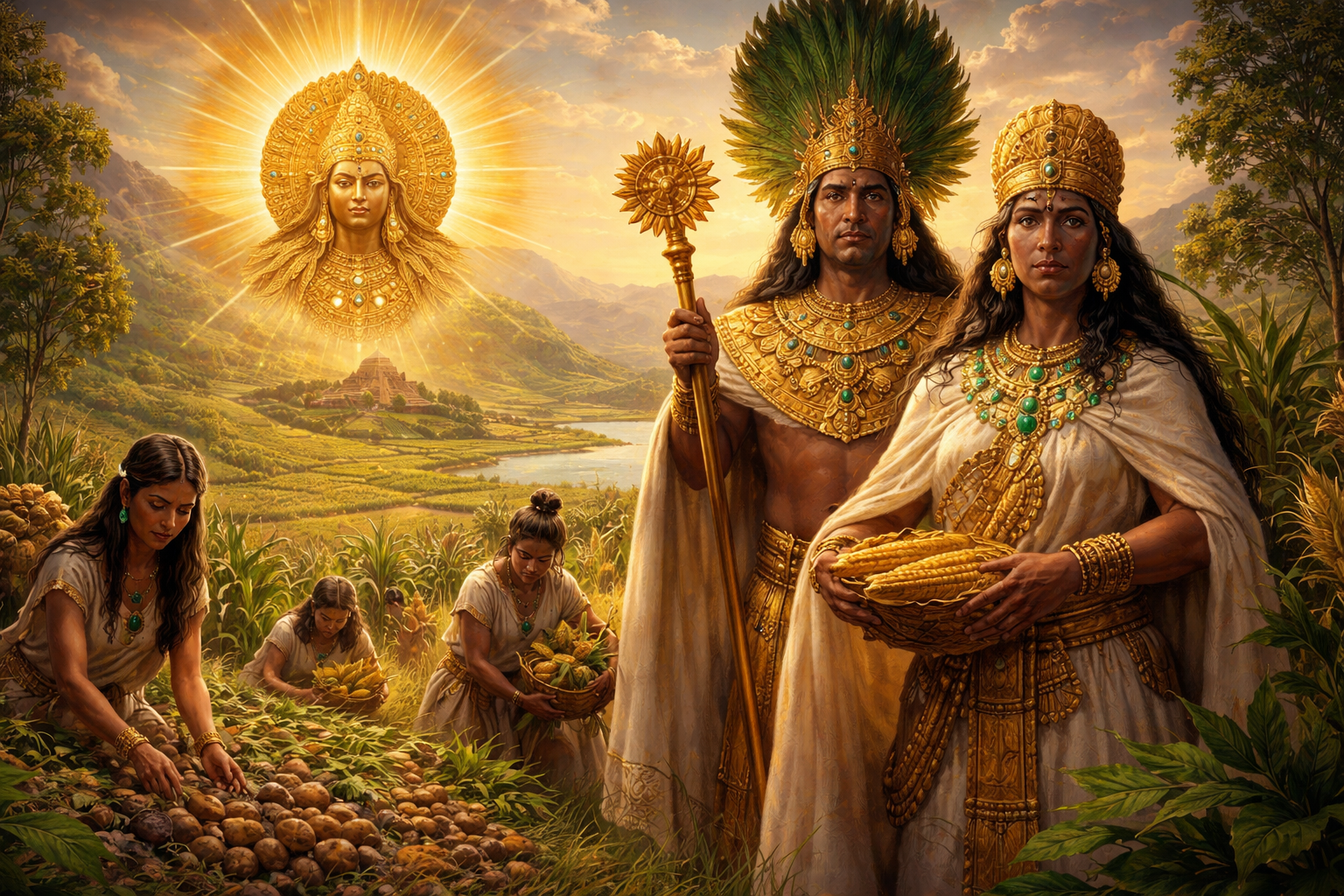
The worldview of the Muisca Civilization was shaped by a deep connection to celestial forces. The sun and moon were not just physical entities but divine beings that influenced life on Earth. This spiritual interpretation of the cosmos guided their understanding of time and existence.
Deities such as Sué and Chía were central to their belief system. These figures represented cosmic balance, with solar and lunar cycles symbolizing harmony and continuity in the natural world.
Solar Observations
- Tracking the movement of the sun to determine seasonal changes
- Identifying solstices and equinoxes for agricultural planning
- Aligning ceremonial sites with solar positions
- Using sunlight patterns to mark important calendar events
Solar observation was essential for managing agricultural activities. By understanding the sun’s path, the Muisca could predict planting and harvesting periods with remarkable accuracy.
Lunar Cycles
- Monitoring moon phases to structure months
- Linking lunar cycles with ritual ceremonies
- Using moon patterns to regulate social activities
- Observing eclipses as significant cosmic events
Lunar cycles complemented solar observations, creating a balanced timekeeping system. The moon’s influence extended beyond agriculture, shaping religious practices and community life.
Calendar Systems
The Muisca developed a complex calendar that combined lunar and solar elements. This system allowed them to track both short-term and long-term cycles. Their calendar was not only a tool for measuring time but also a framework for organizing society.
Different cycles were used for various purposes, including agriculture, trade, and rituals. The integration of multiple timekeeping methods reflects the sophistication of their astronomical knowledge.
Agricultural Timing
Agriculture was heavily dependent on accurate timekeeping. The Muisca used their calendars to determine the best times for planting and harvesting crops such as maize and potatoes. Seasonal changes guided their farming practices, ensuring food security.
By aligning agricultural activities with celestial patterns, they maximized productivity and minimized risks. This approach demonstrates their ability to adapt to environmental conditions through scientific observation.
Ritual Practices
Astronomy played a significant role in Muisca religious ceremonies. Festivals and rituals were often timed according to celestial events, reinforcing the connection between the cosmos and human life. These practices helped maintain social cohesion and cultural identity.
Ceremonial sites were sometimes aligned with astronomical phenomena, enhancing their spiritual significance. This integration of space and time reflects a holistic understanding of the universe.
Architectural Links
The Muisca incorporated astronomical knowledge into their architecture and settlement planning. Structures were often oriented to capture specific solar or lunar events. These alignments served both practical and symbolic purposes.
Such architectural features acted as physical markers of time, allowing communities to observe and interpret celestial changes. This demonstrates the integration of science, culture, and design in their society.
Cultural Legacy
The legacy of Muisca astronomy continues to influence modern understanding of indigenous knowledge systems. Their methods highlight the importance of observation, adaptation, and cultural integration in scientific development.
Today, researchers study these systems to gain insights into pre-Columbian civilizations. The achievements of the Muisca Civilization serve as a reminder of the advanced knowledge possessed by indigenous societies.
Closing Reflections
The astronomical knowledge and timekeeping systems of the Muisca Civilization reveal a highly advanced and integrated approach to understanding the world. By combining observation, spirituality, and practical application, they created systems that supported both daily life and cultural expression.
As modern science continues to evolve, revisiting such indigenous knowledge offers valuable perspectives. The Muisca example underscores the importance of diverse approaches to understanding time, nature, and the cosmos.