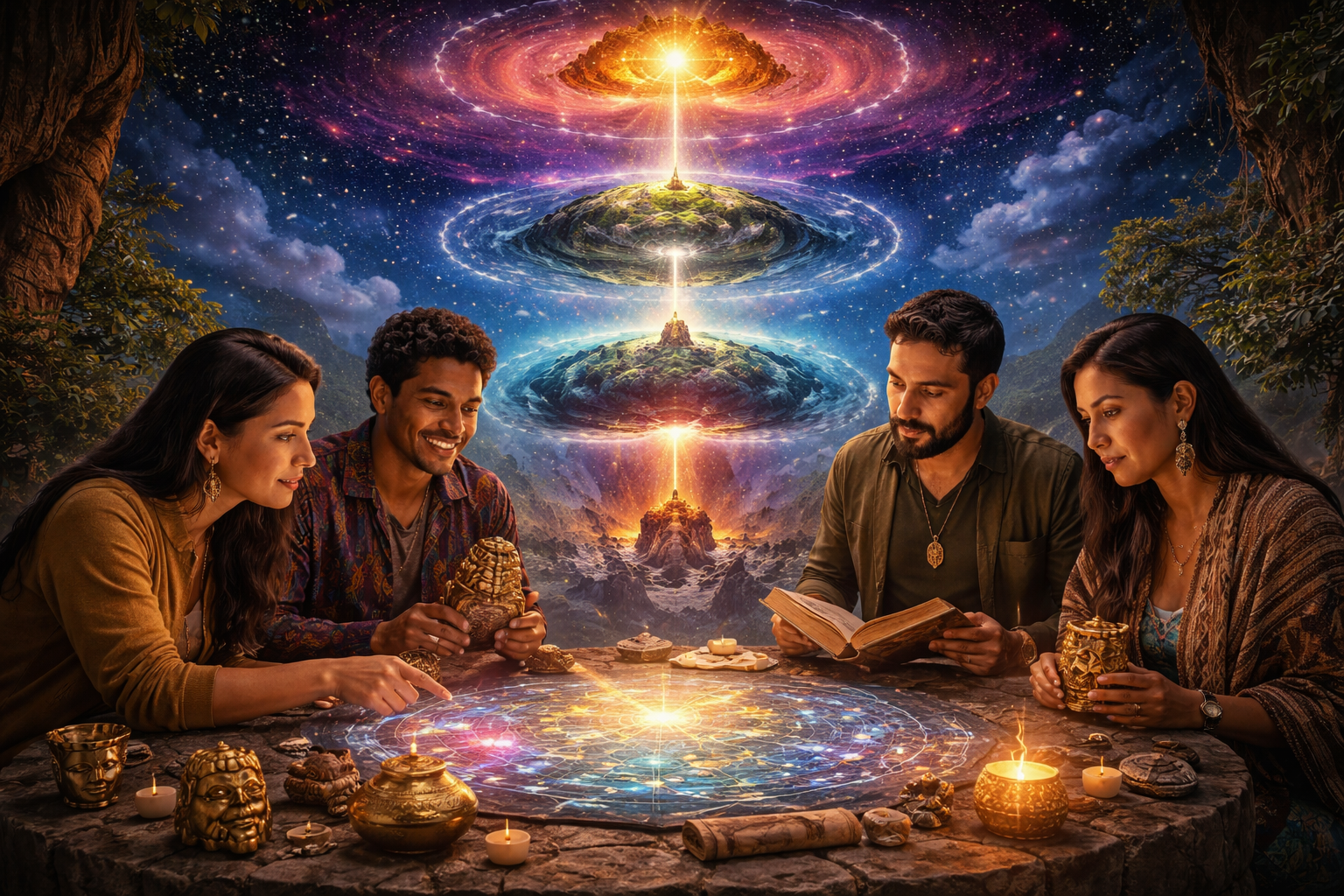
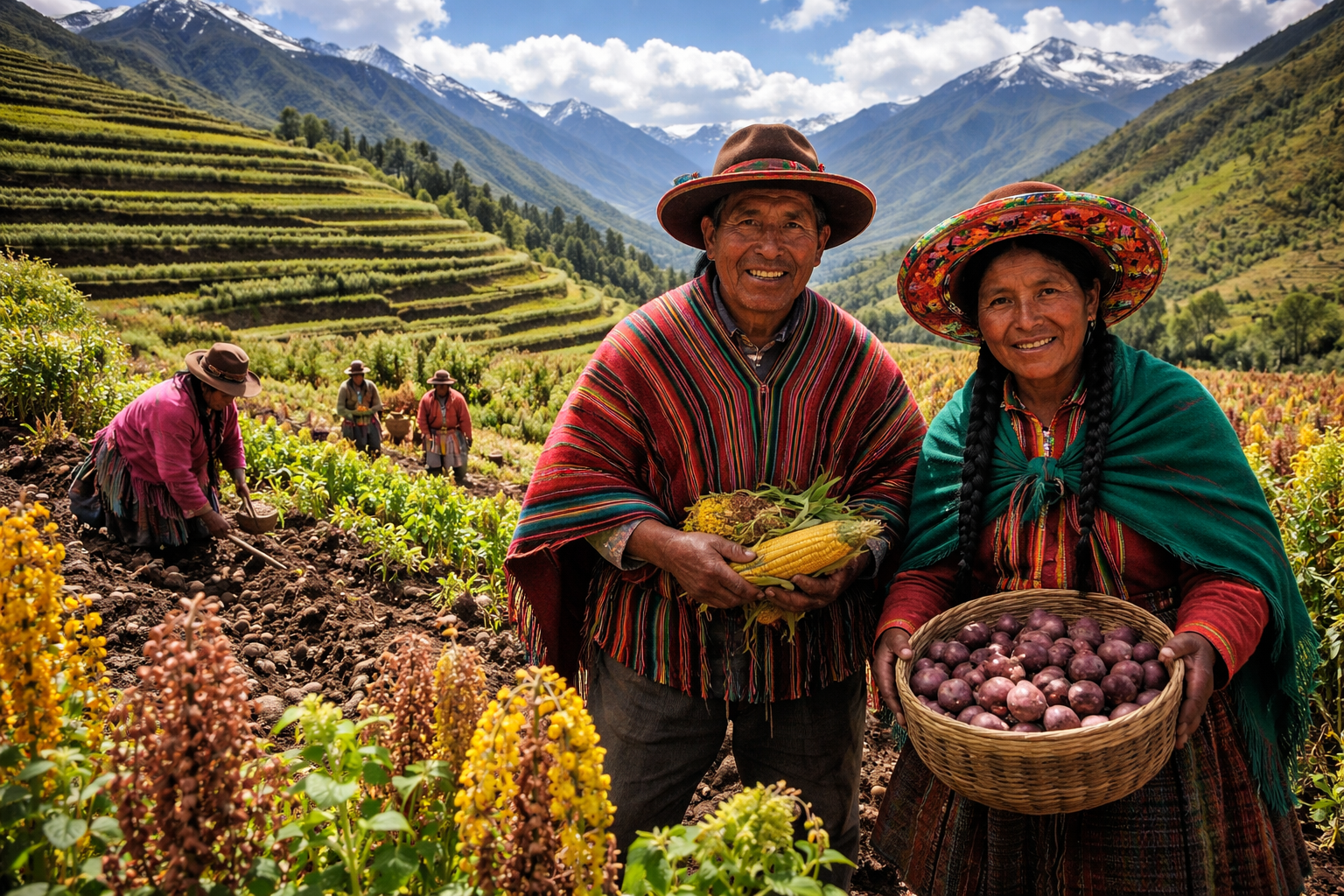
Indigenous worldviews offer a profound rethinking of humanity’s place within the natural world. Rather than seeing humans as separate or superior, many Indigenous eco-cosmologies recognize animals, rivers, and spiritual entities as active participants in the web of life. These perspectives challenge dominant frameworks that treat nature as passive or purely resource-based.
The concept of non-human agency lies at the heart of these traditions. It suggests that beings beyond humans possess their own forms of intelligence, intention, and influence. Understanding these perspectives provides valuable insights into environmental ethics, sustainability, and the interconnectedness of all life.
Table of Contents
Concept Overview
Key Elements of Eco-Cosmologies and Non-Human Agency
| Element | Details |
|---|---|
| Eco-Cosmology | Holistic worldview connecting nature and spirituality |
| Non-Human Agency | Recognition of agency in animals, rivers, and spirits |
| Core Belief | Interdependence of all beings |
| Knowledge Source | Oral traditions and lived experience |
| Modern Relevance | Environmental ethics and sustainability |
Eco-cosmologies frame the universe as a living system where all entities are interconnected. This perspective emphasizes relationships rather than hierarchy, fostering respect and responsibility toward the environment.
Non-human agency expands the idea of participation in this system. It recognizes that nature is not passive but actively shapes ecological and social dynamics.
Animal Relations
- Indigenous perspectives often view animals as relatives rather than resources. This relationship is based on mutual respect and shared existence.
- Hunting practices are guided by ethical considerations. Rituals and acknowledgments ensure that animals are treated with dignity.
Animals are seen as teachers and guides. Their behaviors and patterns provide insights into survival, environmental changes, and spiritual understanding.
This relationship fosters responsibility. Humans must act with care, ensuring that animal populations and ecosystems remain balanced.
River Agency
- Rivers are often understood as living entities with their own spirit and agency. They are not just water sources but vital participants in ecological systems.
- Many Indigenous traditions include rituals and practices that honor rivers, recognizing their life-giving role.
Viewing rivers as agents encourages protection and respect. It discourages exploitation and promotes sustainable use.
This perspective has influenced modern legal frameworks. In some regions, rivers have been granted legal rights, reflecting Indigenous values.
Spiritual Dimensions
Spiritual beings play a central role in eco-cosmologies. These entities are believed to inhabit natural elements such as forests, mountains, and المياه.
They are not separate from the physical world but integrated into it. This creates a layered understanding of reality where the spiritual and material coexist.
Spiritual relationships guide behavior. Respecting these entities ensures harmony and balance within ecosystems.
This dimension adds depth to environmental ethics. It emphasizes moral responsibility beyond human-centered concerns.
Knowledge Systems
- Indigenous knowledge systems are built on observation, experience, and oral traditions. They provide a deep understanding of ecological relationships.
- This knowledge is dynamic, adapting to changes while preserving core principles.
Knowledge is often shared through stories, ceremonies, and community practices. These methods ensure that lessons are remembered and applied.
Such systems complement scientific approaches. They offer holistic insights that can enhance environmental management.
Ethical Frameworks
- Indigenous eco-cosmologies promote ethical frameworks based on reciprocity and respect. Actions are guided by the need to maintain balance.
- These frameworks emphasize responsibility toward all beings, not just humans.
Ethics are embedded in daily practices. From resource use to community interactions, decisions are made with consideration for broader impacts.
This approach encourages sustainability. It prioritizes long-term well-being over short-term gains.
Modern Relevance
- These perspectives are increasingly relevant in addressing global environmental challenges. They offer alternative ways of thinking about sustainability and conservation.
- Recognizing non-human agency can lead to more inclusive and effective environmental policies.
Modern societies often struggle with environmental degradation. Indigenous insights provide valuable guidance for restoring balance.
Integrating these perspectives requires respect and collaboration. It involves acknowledging the value of diverse knowledge systems.
Cultural Continuity
- Eco-cosmologies are central to cultural identity. They connect communities to their history, environment, and spiritual beliefs.
- Preserving these perspectives is essential for maintaining cultural diversity and resilience.
Cultural practices reinforce ecological knowledge. They ensure that traditions are passed down through generations.
This continuity supports both cultural and environmental sustainability. It highlights the importance of protecting Indigenous knowledge systems.
Final Thoughts
Eco-cosmologies and the concept of non-human agency offer a transformative way of understanding the natural world. By recognizing animals, rivers, and spiritual entities as active participants, Indigenous perspectives challenge conventional views and promote deeper respect for the environment.
These insights are not only culturally significant but also globally relevant. As environmental challenges grow, embracing such holistic approaches can help create more sustainable and ethical relationships with the Earth.