The Inca civilization developed one of the most sophisticated relationships between landscape, spirituality, and sustainability in the ancient world. Rather than viewing nature as a resource to exploit, the Inca perceived mountains, rivers, and landforms as sacred entities intertwined with daily life. This worldview shaped how they organized settlements, agriculture, and governance.
Sacred geography in the Inca world was not symbolic alone; it guided environmental stewardship practices that ensured long-term ecological balance. By integrating belief systems with practical land management, the Inca created a sustainable model that continues to inspire modern environmental thinking.
Table of Contents
Cultural Overview
Core Elements of Inca Environmental Philosophy
| Element | Description |
|---|---|
| Sacred Landscapes | Mountains, rivers, and valleys as spiritual entities |
| Agricultural Systems | Terracing and irrigation aligned with nature |
| Religious Beliefs | Worship of natural forces and deities |
| Resource Management | Sustainable use of land and water |
| Community Practices | Collective responsibility for environmental care |
Understanding these elements highlights how deeply interconnected spirituality and environmental management were in Inca society. Each component contributed to a holistic and sustainable way of life.
Sacred Landscapes
In Inca belief systems, natural features were considered sacred beings with spiritual significance. Mountains, known as “apus,” were revered as protectors and sources of life. Rivers and lakes were also seen as vital spiritual forces, shaping both physical and metaphysical aspects of existence.
This sacred perception influenced how the Inca interacted with their environment. Rather than altering landscapes aggressively, they adapted their practices to align with natural forms. This respect for sacred landscapes ensured minimal disruption and long-term ecological harmony.
Agricultural Systems
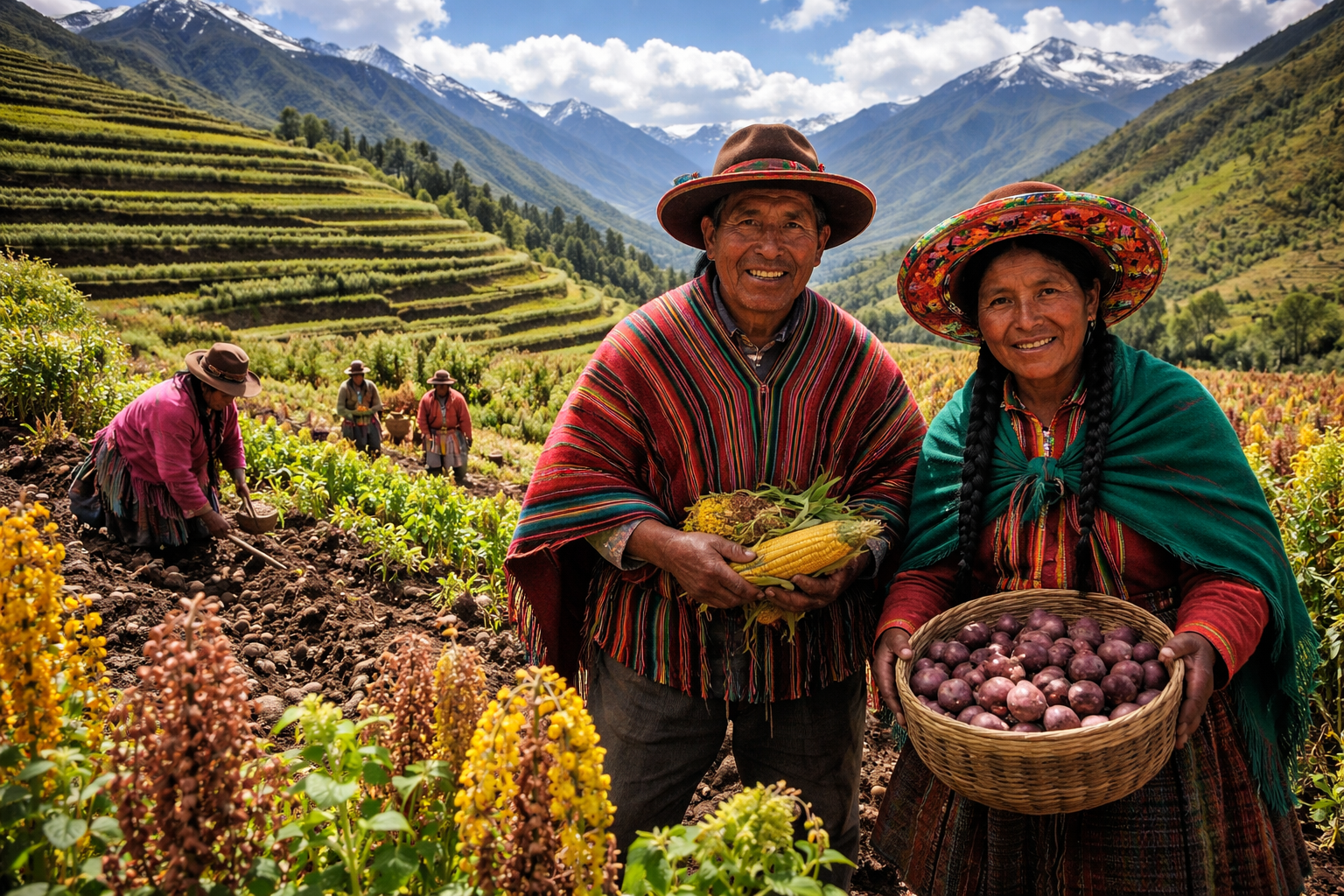
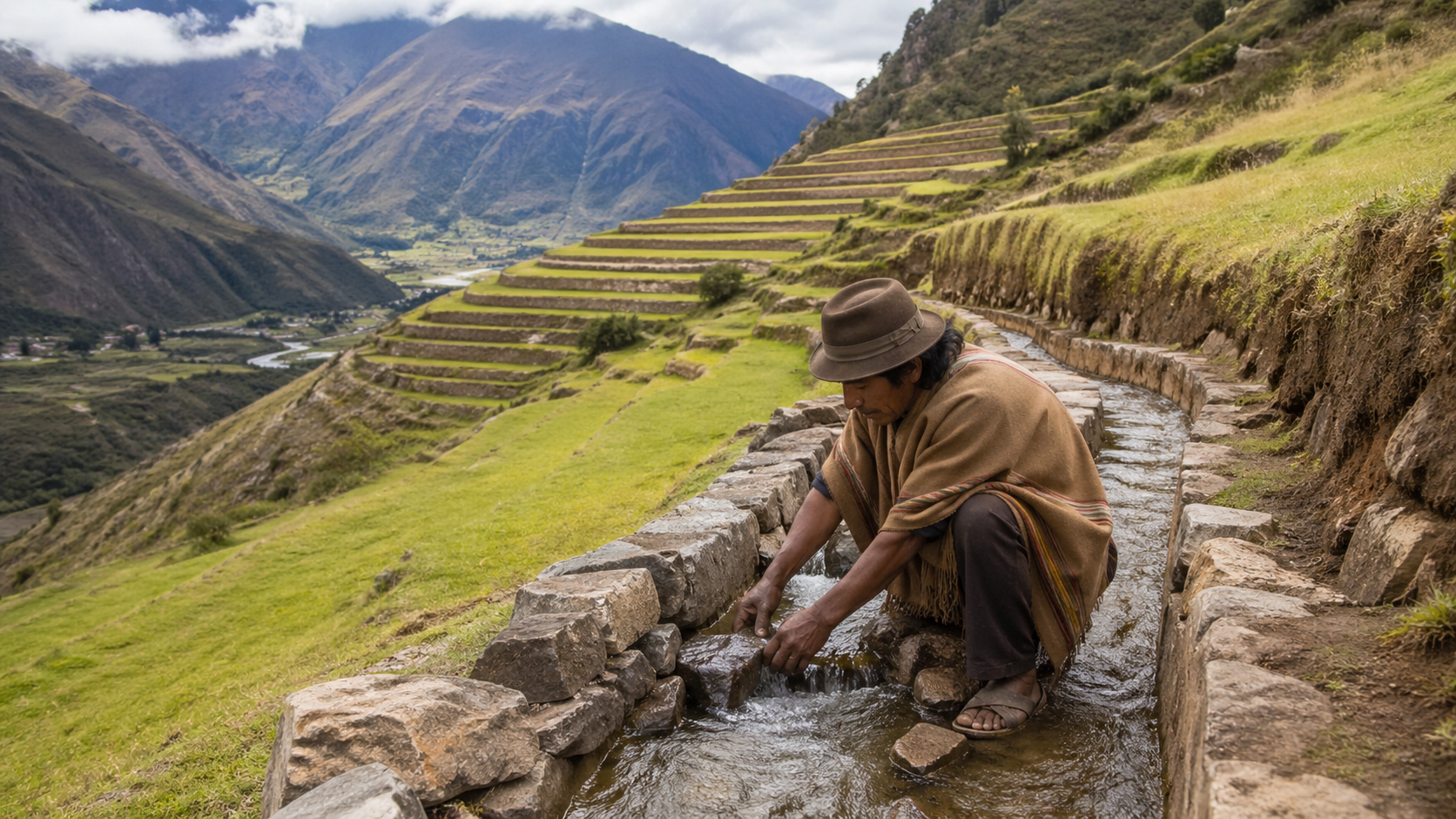
Inca agricultural practices demonstrated remarkable ingenuity and environmental awareness. Terracing allowed farming on steep slopes while preventing soil erosion and maximizing water retention. These terraces transformed challenging terrain into productive agricultural land.
Irrigation systems were carefully designed to distribute water efficiently without depleting natural sources. By working with the natural flow of water, the Inca maintained soil fertility and ensured consistent crop production, even in difficult climatic conditions.
Spiritual Practices
- Rituals were conducted to honor natural elements such as mountains and water sources.
- Offerings were made to maintain harmony between humans and the environment.
- Seasonal ceremonies aligned agricultural activities with natural cycles.
- Sacred sites served as focal points for community worship and environmental respect.
Spiritual practices reinforced the importance of environmental stewardship. They created a cultural framework that encouraged sustainable behavior and respect for nature.
Resource Management
- Land use was carefully planned to avoid overexploitation and degradation.
- Crop rotation and diversification maintained soil health and productivity.
- Water resources were managed collectively to ensure equitable distribution.
- Conservation practices protected ecosystems and biodiversity.
Effective resource management allowed the Inca to sustain large populations without exhausting natural resources. Their practices demonstrate a balance between human needs and environmental preservation.
Community Roles
Community involvement was central to Inca environmental stewardship. Collective labor systems ensured that agricultural and conservation tasks were shared among members. This cooperation strengthened social bonds and ensured that environmental responsibilities were fulfilled.
Local knowledge played a crucial role in decision-making. Communities understood their specific environments and adapted practices accordingly. This decentralized approach allowed for efficient and context-specific resource management.
Climate Adaptation
The Inca demonstrated a strong ability to adapt to diverse and challenging climates. From high-altitude regions to valleys, they developed agricultural and settlement strategies suited to each environment. This adaptability was key to their success.
Their practices included selecting resilient crop varieties and adjusting farming techniques based on weather patterns. By observing and responding to environmental changes, the Inca maintained stability and productivity.
Modern Relevance
The principles of Inca environmental stewardship remain relevant today. Their integration of spirituality, sustainability, and community responsibility offers valuable lessons for addressing modern environmental challenges. These practices highlight the importance of respecting natural systems.
Modern sustainability efforts can draw inspiration from Inca methods, particularly in areas such as sustainable agriculture and water management. By learning from the past, societies can develop more balanced and resilient approaches to environmental stewardship.
Wrapping Up
Sacred geography and environmental stewardship were deeply intertwined in Inca civilization, shaping a sustainable and harmonious way of life. Their respect for nature and innovative practices ensured long-term ecological balance and community well-being.
By understanding and applying these principles, modern societies can address environmental challenges more effectively. The legacy of the Inca serves as a powerful reminder of the importance of living in harmony with the natural world.