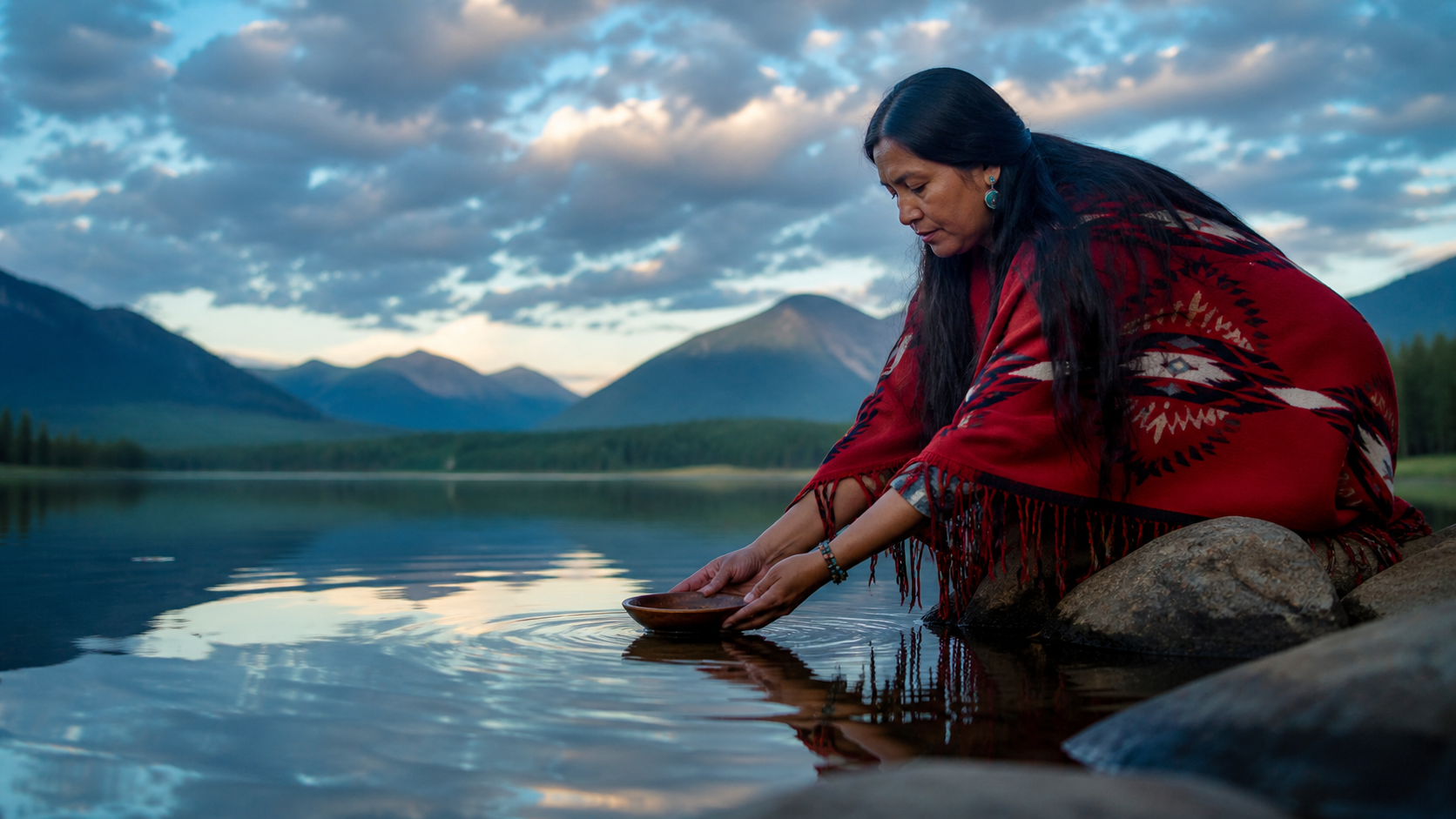
Water held profound spiritual and cultural meaning in the worldview of the Muisca Civilization. Among the highland societies of present-day Colombia, lakes were not merely natural features but sacred spaces where the physical and spiritual worlds converged. These bodies of water were believed to be gateways to divine realms and were central to rituals, offerings, and cosmological beliefs.
Sacred lakes served as focal points for community gatherings, ceremonies, and mythological narratives. Through carefully structured rituals, the Muisca expressed reverence for deities, sought blessings, and maintained harmony with nature. Their water-centered traditions reveal a deep ecological awareness and spiritual connection to the environment.
Table of Contents
Sacred Overview
Overview of Sacred Lakes and Water Rituals in the Muisca Tradition
| Element | Description |
|---|---|
| Sacred Lakes | Spiritual centers and ritual sites |
| Primary Purpose | Worship, offerings, and cosmic connection |
| Key Belief | Water as a bridge between worlds |
| Ritual Activities | Offerings, purification, ceremonies |
| Cultural Significance | Reinforces identity and spiritual order |
Spiritual Meaning
The Muisca Civilization viewed water as a living and sacred force. Lakes were believed to house powerful spirits and deities who governed natural and cosmic balance. This belief system elevated water to a central position in religious and social life.
Water symbolized renewal, fertility, and transformation. Ritual interaction with lakes allowed individuals and communities to reconnect with divine forces. This spiritual meaning extended beyond religion, influencing daily practices and environmental stewardship.
Sacred Sites
- Lake Guatavita was a major ceremonial and mythological center
- Lake Iguaqueis is linked to creation myths
- Smaller lakes and wetlands used for local rituals and offerings
- Natural landscapes integrated into spiritual geography
These sacred sites formed a network of spiritual landmarks across Muisca territory. Each location held unique significance, contributing to a broader cosmological framework.
Ritual Practices
- Offerings of gold, emeralds, and crafted objects into lakes
- Ceremonial bathing for purification and spiritual renewal
- Rituals led by priests to honor deities and seek blessings
- Seasonal ceremonies aligned with agricultural cycles
Ritual practices were carefully structured and deeply symbolic. They reinforced social cohesion and ensured the continuity of cultural traditions across generations.
El Dorado Myth
One of the most प्रसिद्ध legends associated with Muisca water rituals is the story of El Dorado. According to tradition, a ruler covered in gold dust would enter a sacred lake and offer treasures to the gods. This ritual symbolized both devotion and the transfer of wealth to the spiritual realm.
The myth of El Dorado later attracted European explorers, transforming a sacred tradition into a global legend. While often misunderstood, its origins lie in deeply spiritual practices rather than material wealth.
Purification Role
Water rituals often served as acts of purification. Individuals participated in ceremonial bathing to cleanse both physical and spiritual impurities. These practices were essential for preparing participants for important events or transitions.
Purification rituals also reinforced moral and social values. By engaging in these ceremonies, individuals reaffirmed their connection to community norms and spiritual beliefs.
Environmental Respect
The reverence for sacred lakes fostered a strong sense of environmental responsibility. The Muisca Civilization treated natural resources with care, recognizing their spiritual significance. This approach promoted sustainable interaction with the environment.
Protecting sacred sites ensured the preservation of both ecological and cultural systems. This balance between use and respect reflects an advanced understanding of environmental stewardship.
Cultural Identity
Water rituals played a key role in shaping Muisca identity. Shared ceremonies and beliefs created a sense of unity and continuity among communities. These traditions connected individuals to their ancestors and to the broader cosmos.
Cultural identity was reinforced through repeated ritual practices. By maintaining these traditions, the Muisca preserved their worldview and social structure over time.
Modern Relevance
Today, sacred lakes like Lake Guatavita continue to hold cultural and historical importance. Researchers and indigenous communities work to preserve these sites and the knowledge associated with them. Modern interpretations highlight the value of indigenous perspectives in understanding nature and spirituality.
The study of Muisca water rituals offers insights into sustainable living and holistic worldviews. These traditions remain relevant in contemporary discussions about environmental conservation and cultural heritage.
The Way Forward
The sacred lakes and water rituals of the Muisca Civilization reveal a deeply interconnected relationship between humans, nature, and the divine. Through their practices, the Muisca created a system that balanced spiritual devotion with ecological awareness.
As modern societies seek sustainable and meaningful ways to interact with the environment, these traditions provide valuable lessons. Preserving and respecting such cultural heritage ensures that its wisdom continues to inspire future generations.