Indigenous cultures around the world have long maintained deep, respectful relationships with the natural environment. These relationships are grounded in the principle of reciprocity—the idea that humans must give back to the Earth in return for what they take. This philosophy shapes daily practices, spiritual beliefs, and ecological stewardship.
In an era of environmental challenges, Indigenous Earth ethics offer valuable insights into sustainable living. By understanding sacred reciprocity, modern societies can learn to balance consumption with responsibility and develop a more harmonious relationship with nature.
Table of Contents
Ethics Overview
Key Concepts of Sacred Reciprocity and Earth Ethics
| Concept | Details |
|---|---|
| Sacred Reciprocity | Mutual relationship between humans and nature |
| Core Principle | Giving back for what is taken |
| Practices | Rituals, conservation, sustainable harvesting |
| Spiritual Basis | Nature as living and sacred |
| Modern Relevance | Environmental sustainability and ethics |
Sacred reciprocity emphasizes that humans are not separate from nature but part of a larger interconnected system. Every action taken from the Earth carries a responsibility to restore balance.
This worldview contrasts with extractive models that prioritize consumption. Indigenous ethics instead promote respect, gratitude, and long-term sustainability.
Spiritual Foundations
- Indigenous belief systems often view the Earth as a living entity, sometimes referred to as Mother Earth. This perspective fosters a deep sense of respect and responsibility.
- Spiritual practices reinforce the idea that natural resources are gifts rather than commodities. Rituals and ceremonies express gratitude and maintain balance.
These foundations guide everyday behavior. Actions such as hunting, farming, and gathering are performed with intention and respect.
Spiritual beliefs also create a moral framework. They encourage individuals to consider the impact of their actions on future generations and the environment.
Sustainable Practices
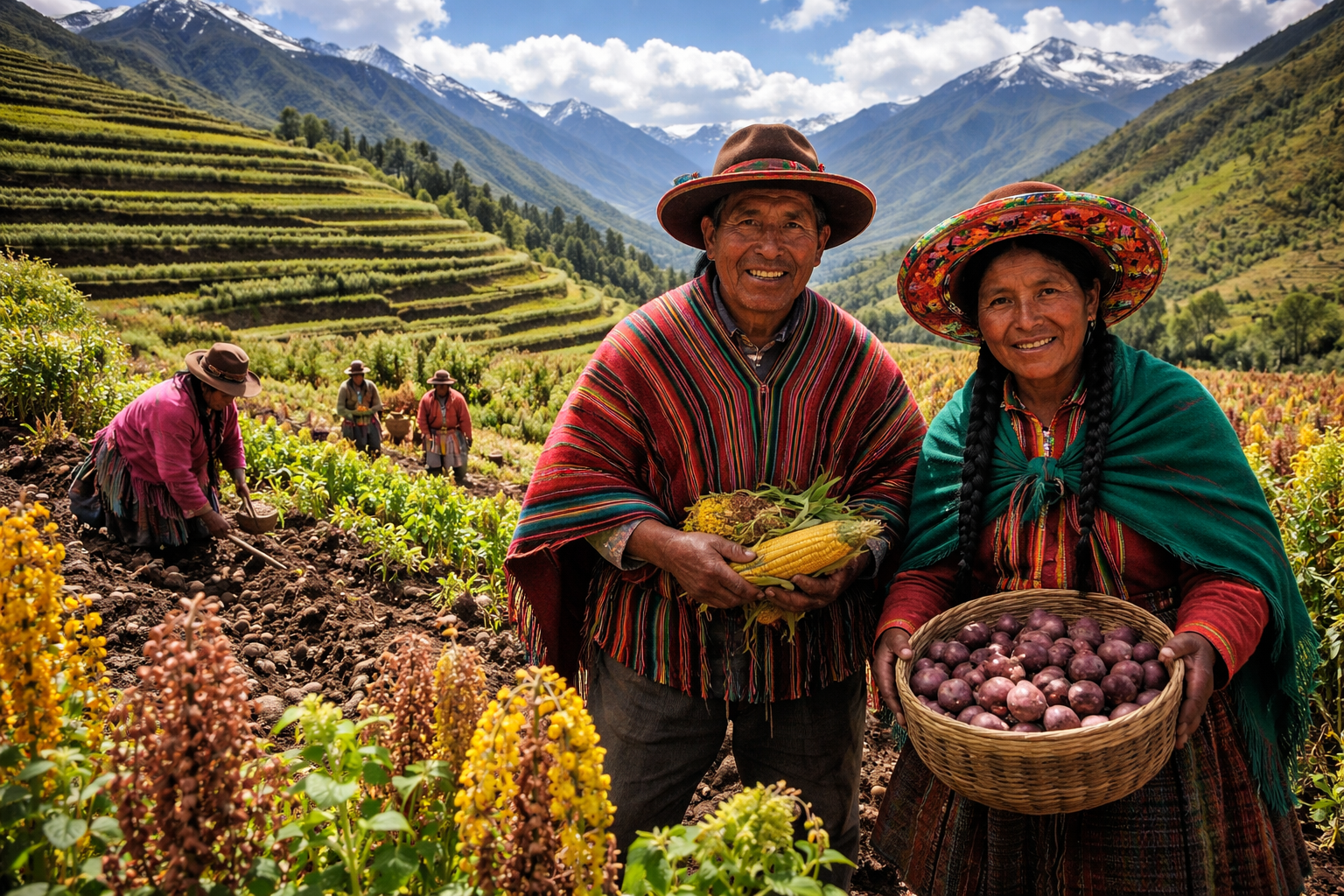
- Indigenous communities practice sustainable harvesting methods. They take only what is needed and avoid overexploitation of resources.
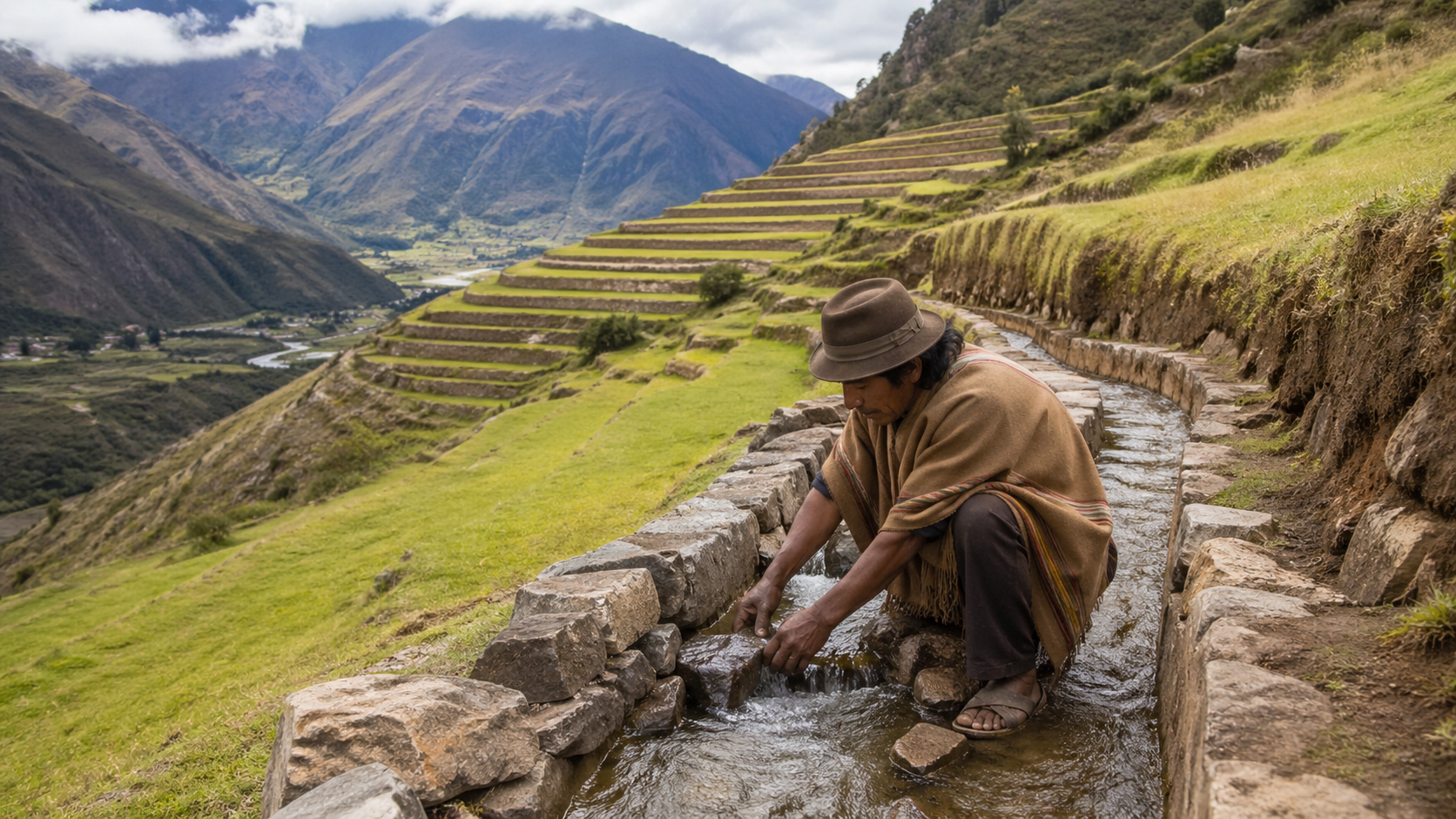
- Techniques such as crop rotation, controlled burning, and seasonal hunting help maintain ecological balance.
These practices are based on generations of observation and knowledge. They reflect a deep understanding of local ecosystems.
Sustainability is not just a strategy but a way of life. It ensures that resources remain available for future generations.
Reciprocal Actions
Reciprocity involves giving back to nature in meaningful ways. This can include planting trees, restoring habitats, or performing ceremonies of gratitude.
These actions symbolize respect and acknowledgment of nature’s contributions. They reinforce the connection between humans and the environment.
Reciprocal practices also have practical benefits. They help maintain biodiversity and ecosystem health.
By giving back, communities ensure that natural systems continue to thrive and support life.
Knowledge Systems
- Indigenous knowledge systems are rooted in observation, experience, and oral traditions. They provide valuable insights into environmental management.
- This knowledge is passed down through generations, preserving cultural and ecological wisdom.
Traditional knowledge complements modern science. It offers alternative perspectives on sustainability and resource management.
Recognizing and respecting these systems is essential for addressing global environmental challenges.
Community Roles
- Community plays a central role in maintaining Earth ethics. Responsibilities are often shared among members to ensure collective stewardship.
- Elders, leaders, and knowledge keepers guide practices and decision-making processes.
This collective approach strengthens social bonds. It ensures that everyone contributes to environmental care.
Community involvement also promotes accountability. Individuals are more likely to act responsibly when they are part of a shared effort.
Environmental Balance
- Maintaining balance is a key principle of Indigenous Earth ethics. Actions are taken to ensure that ecosystems remain stable and healthy.
- This balance extends beyond nature to include social and spiritual harmony.
Imbalance is seen as a disruption that must be corrected. Practices are designed to restore equilibrium.
This holistic approach recognizes the interconnectedness of all life. It emphasizes the importance of harmony in sustaining the planet.
Modern Lessons
- Indigenous practices offer valuable lessons for modern society. They highlight the importance of sustainability, respect, and responsibility.
- Adopting these principles can help address environmental challenges such as climate change and resource depletion.
Modern systems often focus on short-term gains. Indigenous ethics encourage long-term thinking and stewardship.
Integrating these perspectives can lead to more sustainable and ethical approaches to development.
Final Thoughts
Sacred reciprocity and Earth ethics provide a powerful framework for understanding humanity’s relationship with nature. Indigenous practices emphasize balance, respect, and responsibility, offering valuable lessons for a world facing environmental challenges.
By embracing these principles, modern societies can move toward more sustainable and harmonious ways of living. The wisdom of Indigenous traditions reminds us that caring for the Earth is not just a choice—it is a responsibility shared by all.